
Buy Sensitive Sanitary Pads Online: Gentle Protection for Every Period
All women should have access to period care that make them feel comfortable all day
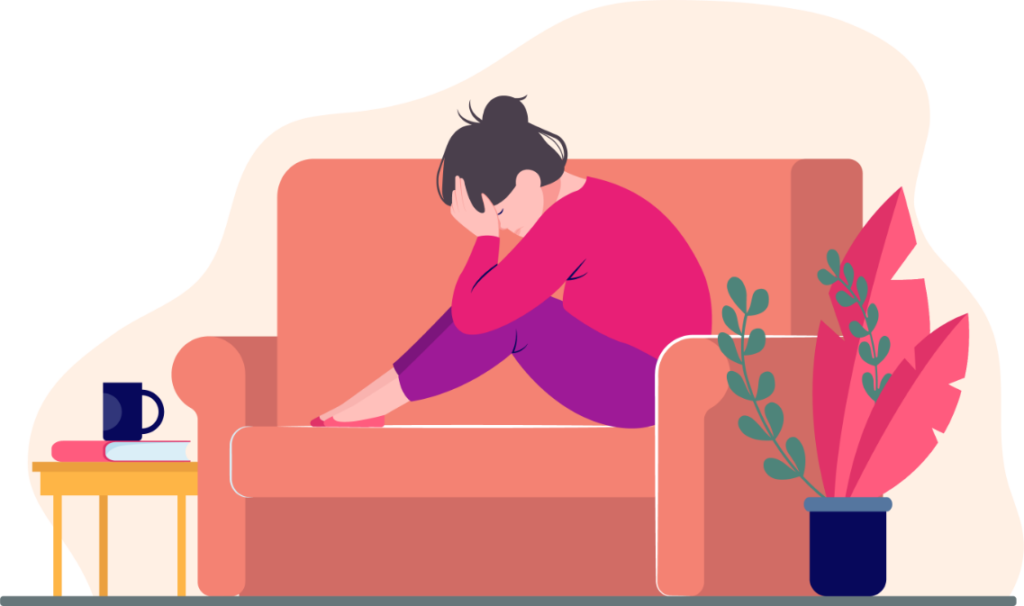
A woman’s cycles are an important marker of her health. But what if your period doesn’t end as anyone would expect it to?
Being a woman, there is no doubt that when your period lasts for an extended time or the bleeding simply won’t stop, it can be cause for concern. While minor alterations are not unusual, a prolonged period, or a heavy period can be the result of a health condition that should not be ignored.
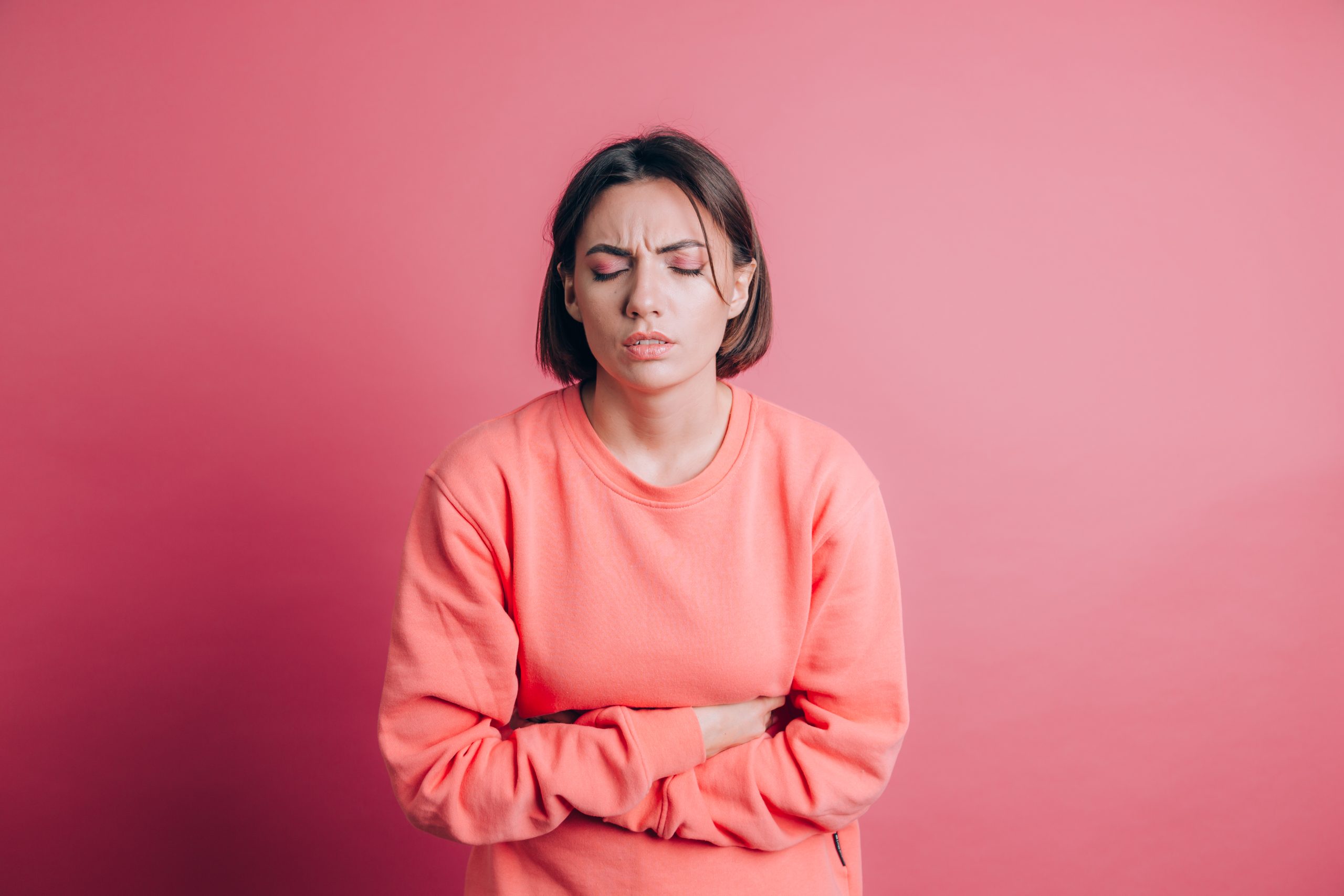
On average, menstrual periods last for 3 to 7 days. But no one woman’s body is the same. Some people will have cycles that are a bit shorter, whereas others experience a prolonged period.
Both the length and intensity of your period can be different every month, depending on fluctuating hormones, stress or lifestyle. The usual length of menstruation is about 3 to 5 days, but it can be as short as a day or as long as 7. Periods tend to be longer at the start of your menstrual years, and they tend to get shorter towards the end (meaning closer to menopause).
Wondering how long a period lasts, it’s helpful to monitor your cycle regularly. Any dramatic or notable changes, particularly bleeding that lasts longer than you’re accustomed to seeing or the appearance of abnormal tissues, could be a sign of an underlying issue.
Besides this, if you have a heavy flow during your period, here are the best sanitary pads for heavy flow, so you can experience the most comfort and protection during your cycle.
Wondering how many days periods last?
Menstrual bleeding that lasts for more than 7 days or is heavier than normal is also known as menorrhagia. However, if you say, “It has been a 9 day period and still bleeding,” then something likely may not be right with your menstrual cycle.
Signs and symptoms of a prolonged period may include the following:
While the level of stress one is experiencing can often be correlated with fluctuating levels of hormones, leading to an occasional long cycle. Hence, longer than average periods may suggest an underlying cause for long menstrual periods that requires medical attention.
It’s important to learn the cause of long period of menstruation for its proper treatment.
Estrogen and progesterone balance each other out during your menstrual cycle. When the levels of these hormones are out of balance, this can result in erratic or prolonged bleeding. And for many people, this happens during puberty, perimenopause, or when beginning or stopping birth control.
Noncancerous growths in the uterus (fibroids or polyps) are another cause of heavier bleeding and longer periods. These are relatively common and often present in women during their 30s or 40s.
“Women with PCOS can have irregular cycles, missed periods, or even prolonged bleeding because of hormone imbalances, and that makes them more susceptible to blood clots.
An overactive thyroid (hyperthyroidism) as well as an underactive thyroid (hypothyroidism) may also affect menstrual regularity.
In endometriosis, tissue that is similar to the lining of the uterus grows on the outside of it — and in adenomyosis, this tissue grows into the wall of the organ. Each one can result in long periods, severe cramps and pelvic pain.
Some medications can make periods longer or heavier, such as blood thinners, a hormonal IUD or certain types of birth control.
Any kind of emotional or physical strain can disturb the hormonal balance, resulting in bleeding that lasts as long than they would normally have had, and these women may also skip their cycle.
So, now you know how long period last, plus, it’s normal to have slight fluctuations in your cycle, but see a doctor if:
Heavy periods could be a sign that you’ve got an underlying health problem, fibroids or a hormonal imbalance. Ignoring it can cause anemia or fertility problems down the line.
In order to identify the reason behind a long period of menstruation, your physician may conduct:
Pelvic exam: This test will look for any abnormalities in the uterus or cervix.
Ultrasound or MRI: To help locate fibroids, polyps, or endometriosis.
Blood tests: To check hormone levels and screen for anemia or thyroid problems.
Pap smear: To screen for cervical abnormalities or infections.
Management varies depending on the underlying cause:
Hormonal therapy (birth control pills, IUDs or hormone patches) to help regulate periods.
Medication that is not a hormone, such as NSAIDs or tranexamic acid to decrease bleeding.
Procedures such as endometrial ablation, myomectomy for more severe cases.
A balanced diet, stress relief, and exercise for a healthy lifestyle.
Keep in mind, the sooner you get medical treatment, the better the balance will be able to return, and problems can be resolved more quickly.
Dealing with a long period starts with selecting the appropriate menstrual care product. Comfort and protection are key when it comes to heavy or prolonged bleeding.
With Maxi Long pads by Embrace Comfort а the best sanitary pad for heavy flow, you can be sure of full coverage protection. They provide incredible absorbency, leak protection and comfort for when you need it the most if your period comes a little late.
You should pay attention to a sustained length. While an extra day or two does not always mean trouble, persistent long periods of heavy bleeding should be checked out.
Knowing the answer to how many days periods last, recording your cycle, and consulting with a medical professional when necessary are some ways you can protect your reproductive health, as well as learn to relax.
If you’re having issues with heavy or long-lasting bleeding, just remember: Your period is not supposed to control your life. Take care, be vigilant and if you need to call your gynecologist for support.
It can be longer if you’re particularly stressed, or because of hormonal changes, but if you continuously have a period that’s longer than 7–8 days, it might be good to see a doctor.
From hormonal imbalance, fibroids, thyroid issues and PCOS to endometriosis, all these contribute to having longer periods.
Yes. Stress disrupts the system and can result in delayed, omitted or excessive menstruation.
You should seek treatment from a doctor if your bleeding goes beyond one week. Plus, if you are feeling severe weakness and fatigue with immense pain too.
Long period is a term used by women to indicate you are bleeding for longer than 7 days, and it is happening throughout the cycle, not just your menses. Whereas, heavy bleeding means you are bleeding more than usual during your period. It has nothing to do with the length of your periods.
Absolutely. More than 10 days shows an abnormally long period, and there could be a need to find the cause and treat it.
All women should have access to period care that make them feel comfortable all day

Choosing the better menstrual products shouldn’t cost you more. The awareness of sustainability, a natural
However, when you have a heavy period, it can be stressful because you’re constantly worried

Heavy flow at work & school makes life difficult in its own right, especially when
All women should have access to period care that make them feel comfortable all day
Choosing the better menstrual products shouldn’t cost you more. The awareness of sustainability, a natural
However, when you have a heavy period, it can be stressful because you’re constantly worried
Heavy flow at work & school makes life difficult in its own right, especially when