
Buy Sensitive Sanitary Pads Online: Gentle Protection for Every Period
All women should have access to period care that make them feel comfortable all day
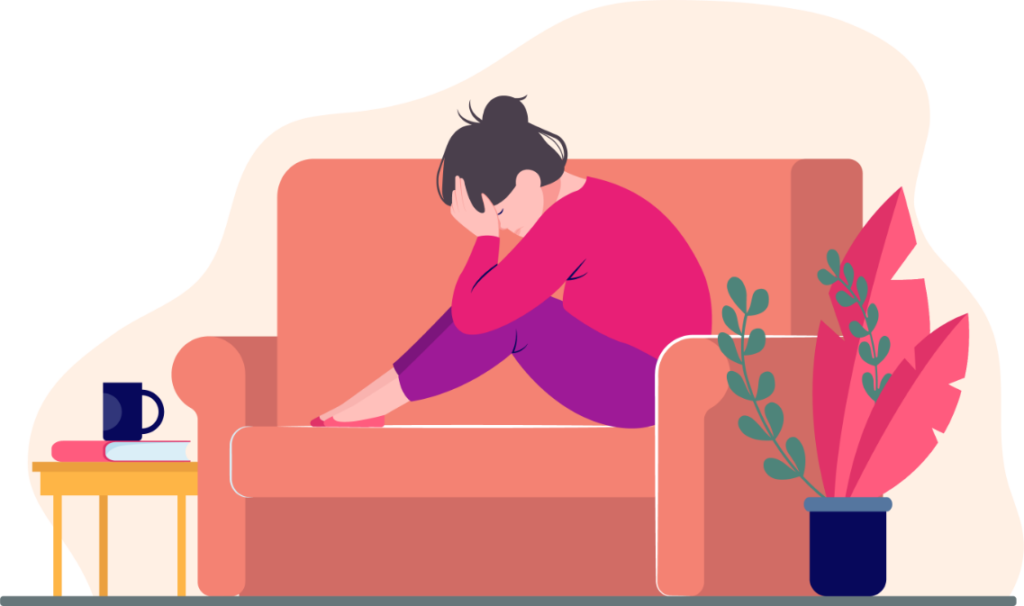
Most women have a regular monthly menstrual pattern. But from time to time, periods can be lighter than normal. Less bleeding during periods might feel strange or even alarming, especially if it happens suddenly.
Light periods can be perfectly normal for some women, but they may also be related to lifestyle changes, hormonal fluctuations, or specific medical conditions. After all, knowing why you may have less bleeding during periods is key to better managing your cycle and recognising when medical help should be sought.
Lighter cycles also need comfortable and breathable protection. For light flow days, a trusty product like Embrace ultra-thin pads can help you feel fresh, confident, and protected.
Now, let’s take a look at what causes lighter periods, and the symptoms & solutions of light or skipped menstrual cycles.
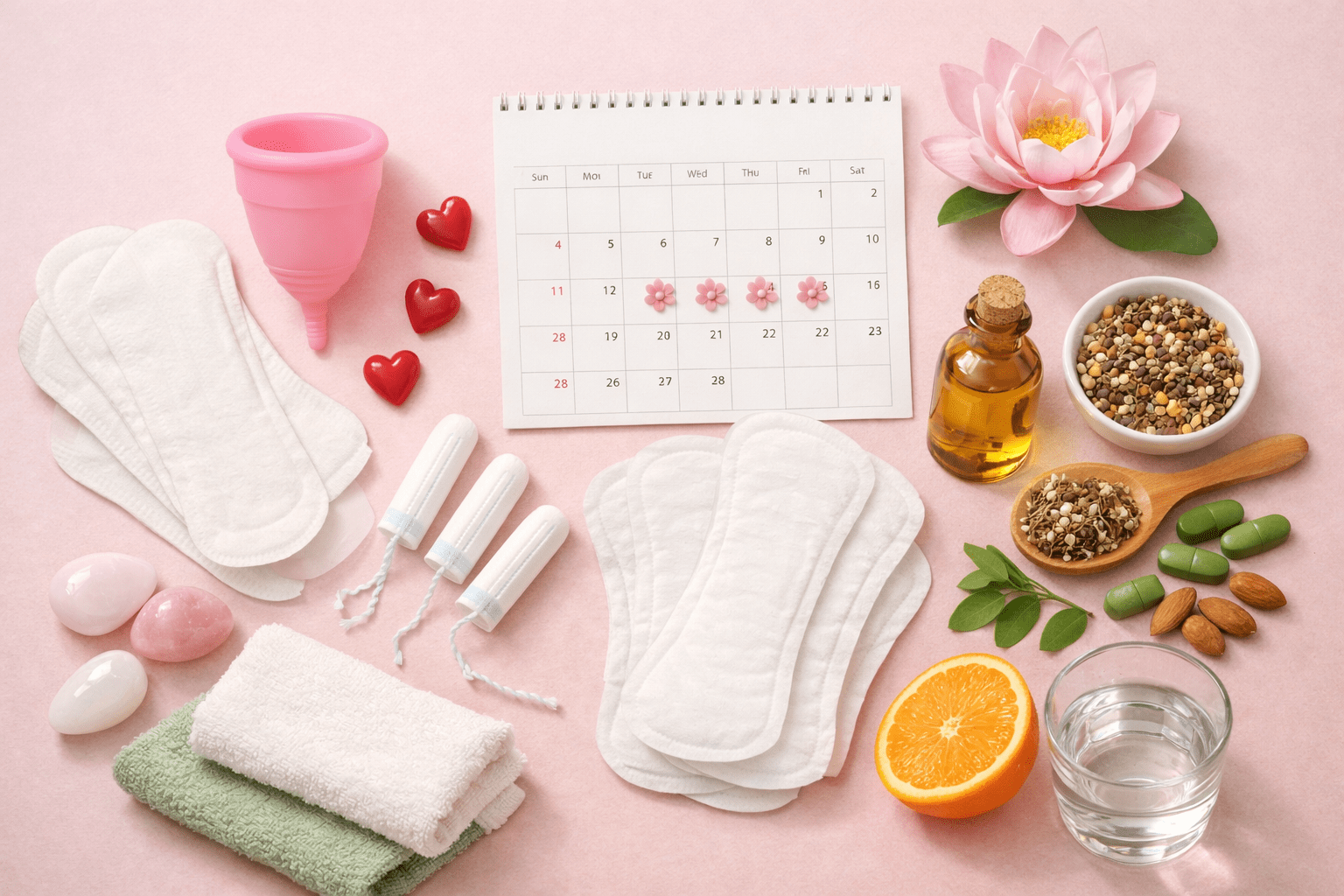
Slight bleeding for a couple of days is typically nothing to worry about. But many women have variations in their menstrual flow because of stress, lifestyle changes, or hormonal fluctuations.
But if you notice, it might be time to seek help from a health care professional:
Hence, you see no proper blood flow during periods, with other signs and symptoms. So, if lighter periods persist through multiple cycles or come with pain or timing irregularity, it’s a good idea to consult medical advice.
Less bleeding during periods reason can be explained with few factors. Being aware of these causes helps assess if the change is within normal ranges, or a situation that requires medical attention.
Hormones regulate the menstrual cycle. When estrogen or progesterone levels drop, the uterine lining may not grow as thick, leading to less volume on your period days.
Common hormonal triggers include:
Hormone production can be affected by high stress levels, causing mild period symptoms, such as lighter bleeding or irregular cycles.
Lifestyle factors that can potentially affect how much you menstruate include:
Hormonal contraceptives, such as pills, injections, or hormonal IUDs, often decrease menstrual bleeding.
With these methods, many women experience only very light or infrequent period bleeding.
PCOS is a condition that disrupts hormone levels and ovulation. This condition may cause:
Sometimes, light bleeding in early pregnancy can be confused with a period.
If the lack of correct blood flow in your intervals is sudden, then it’s better to take a pregnancy test just to be sure.
Women with lighter cycles might experience a variety of symptoms other than less bleeding.
Mild period symptoms and causes include:
Though light periods can be more manageable, they still need to be protected for hygienic purposes.
You need the right protection that comes with pads that are comfortable to wear and offer a light flow. Choosing the right sanitary product can play a huge role in your comfort and confidence levels during low volume menstrual days.
Check out these Ultra-Thin Pads for Light Flow from Embrace that are perfect for discreet protection while helping you feel fresh all day.
If light periods are new or persist, a medical evaluation may help determine the cause.
Doctors may also conduct the following tests:
Medical History Review
A pelvic exam can check for reproductive health concerns.
Blood tests assess hormone levels and exclude conditions like thyroid disorders or PCOS.
You may also be advised to have an ultrasound, which checks your uterus and ovaries.
You need to see a doctor when you have:
The best treatment for less menstrual bleeding will depend on the underlying cause.
In case of hormonal imbalance, medication helps in regulating hormones.
Some simple lifestyle changes can restore a healthy cycle.
These include:
Conditions such as PCOS or thyroid disorders might need specific treatment.
As a treatment for low flow menstrual cycle, your doctor may prescribe medications or lifestyle modifications.
Even with lighter periods, comfort and hygiene are a necessity.
Embrace ultra-thin pads are meant for light flow days. They offer:
It keeps you feeling confident during your cycle without discomfort.
Some habits help in maintaining menstrual health.
Eat nutrient-rich foods that support hormone production such as:
Stress management strategies may help regulate your cycle:
Sudden loss of weight, as well as sudden weight gain, can have an impact on hormones.
Maintaining a healthy weight helps the menstrual cycle to regulate.
Exercise is good, though some people exercise excessively and that can cause a period without proper blood flow.
Hormonal balance is preserved through moderate exercise.
Tracking your cycle can alert you to atypical trends like light flow or low volumes on menstrual days early.
Now that you know the reason and low flow menstrual cycle treatment, you can take several steps to maintain menstrual health.
Even on light flow days, comfort and hygiene are essential. Ultra-Thin Pads with Wings for lighter periods give you protection designed specifically for your lighter days, so you can stay confident and moisture-free.
Yes, less bleeding during periods can be an early symptom of perimenopause. During this phase, hormones fluctuate, which can cause some to have irregular or lighter cycles.
You should see a doctor if light periods are occurring month after month for several months, if they’re accompanied by pain, or if your periods suddenly stop.
Hormonal contraceptives and some medications can decrease the menstrual flow because they affect hormone levels.
Overdoing it with high-intensity exercise can disrupt hormone levels and help cause either lighter periods or months with untreated menstrual cycles.
Yes, ovulation and hormone balance can be disrupted by conditions like PCOS, resulting in infrequent periods with a low flow or irregular cycles.
Yes, major changes to your diet, nutrient deficiencies, or unbelievable changes in weight can affect hormone levels and menstrual patterns.
All women should have access to period care that make them feel comfortable all day

Choosing the better menstrual products shouldn’t cost you more. The awareness of sustainability, a natural
However, when you have a heavy period, it can be stressful because you’re constantly worried

Heavy flow at work & school makes life difficult in its own right, especially when
All women should have access to period care that make them feel comfortable all day
Choosing the better menstrual products shouldn’t cost you more. The awareness of sustainability, a natural
However, when you have a heavy period, it can be stressful because you’re constantly worried
Heavy flow at work & school makes life difficult in its own right, especially when