
Buy Sensitive Sanitary Pads Online: Gentle Protection for Every Period
All women should have access to period care that make them feel comfortable all day
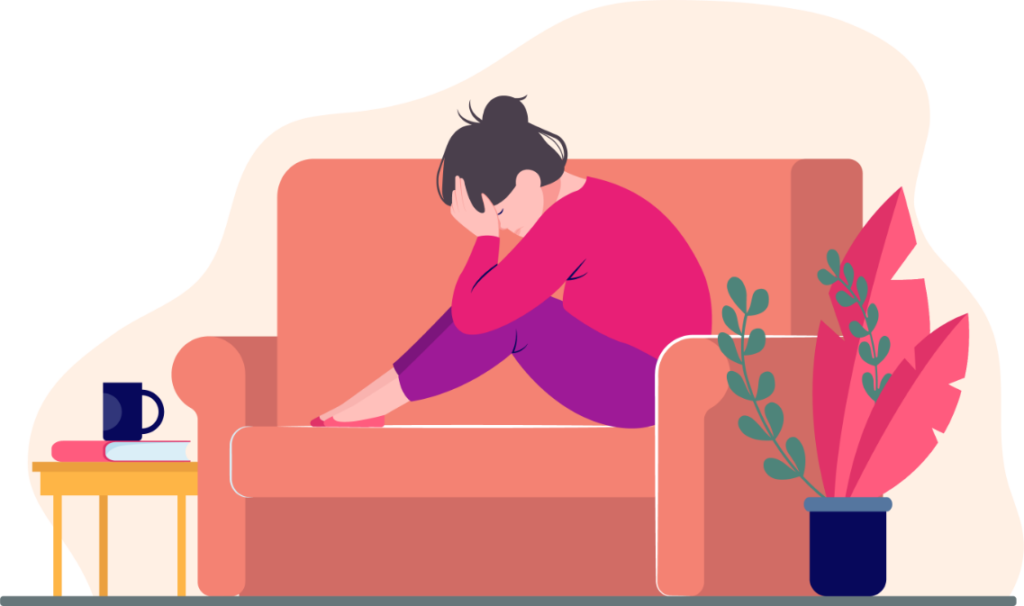
Have you ever questioned what you can do to control the road to fertility? Are you stressed out and overwhelmed while attending doctor visits, scheduling new tests or treatments?
The good news is that there are many self-care tips you can engage in right now to empower yourself and help increase your chances of getting back together. Here, you will find a few self-care tips to boost your fertility and make trying to get pregnant that bit more favorable.
Ready to get your fertility into your own hands? Read on!
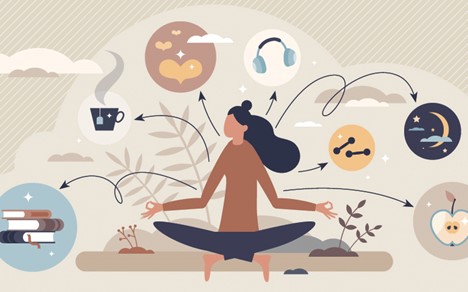
It can be an emotional rollercoaster trying to conceive. It’s important to prioritize self-care in order to empower your fertility journey. Are you getting a daily chunk of time just for you? Prioritizing your mental, physical and reproductive health will aid in stress reduction and fertility increase.
Some effective tips are:
Dedicating a few minutes per day to focus on your breathing or engage in some light meditation can go a long way toward clearing your mind and reducing stress. Weave your mind and body into a yoga or fertility meditation video on YouTube.
There is no doubt that what you eat can affect your fertility. Prioritize whole foods, including leafy greens, nuts and seeds, fruit and lean proteins. Cut back on processed foods, sugar and red meat. Stay well-hydrated, and think about taking a prenatal vitamin so you get enough folate and other nutrients for conception and a healthy pregnancy.
It boosts blood flow to your reproductive organs and also releases endorphins, which are feel-good hormones that can help alleviate stress. Work on getting moderate, movement-based exercise daily (i.e. walking/speed-walking/strolling or swimming), developing to three, 30-40 minute sessions a week over the next couple of years. But don’t obsess over it, especially if you have irregular cycles.
Reduce or give up smoking, reduce alcohol, and avoid recreational drugs. All of these have potential negative effects on fertility and pregnancy health.
And if you have a medical condition, such as endometriosis or PCOS, make sure you talk to your doctor before starting an exercise regimen. Fitness is good for most women trying to conceive, but you want to make sure such a routine is safe and suitable for your needs.
Sleep and rest are important for your fertility and hormone health. If you’re not getting enough shut-eye, it can help balance hormone levels. However, it’s a good idea to sleep 7 to 9 hours a night. Your body is healing while you sleep, and your hormones are being balanced. Try to set the same bedtime and wake-up time each day, even if it is morning.
Blue light from electronics can inhibit the production of melatonin and dampen sleepiness. Don’t stare at bright screens an hour before sleep.
So, taking care of yourself first is incredibly empowering as you are on your quest to conceive. Take time every day to feed your mind, body and soul. Stay hopeful and wait – your baby will make its way when the time is perfect.
Have you been trying to get pregnant for months and feeling stressed?
Stress can be a big factor in your fertility, so it’s important that you take care of yourself. Practice Mindfulness and Meditation One of the simplest ways to reduce stress and take back your fertility is mindfulness and meditation.
Mindfulness is the act of deliberately turning your attention to the present moment, and doing so more neutrally and non-judgmentally. One of the more popular forms of mindfulness meditation. 5-10 minutes of mindfulness or meditation daily can also contribute to stress reduction and relaxation.
Here are a few approaches that can be easy to start:
Learning to manage stress through mindfulness and meditation, as well as engaging in other forms of self-care (including getting adequate sleep, eating healthfully and moderating alcohol consumption), can help you feel more empowered on your journey.
A healthy diet rich in fertility-boosting foods is one of the best things you can do for your body and reproductive health. Your diet directly affects how your hormones function, eggs develop and overall fertility. Focusing on whole foods like:
Are you including enough of these superfoods for fertility in your day-to-day diet?
By incorporating more of these nutrient-rich choices and cutting back on processed foods, sugar and red meat, you can greatly improve your fertility over time. Keeping hydrated, minding your portions and not overdosing on alcohol or caffeine will also be beneficial for that pathway to motherhood.
Hence, by considering self-care part of your everyday life, you are giving yourself the best chance to succeed. You will do a whole lot better if you remain positive and patient. And because every tiny bit will help you get that little bit closer to having your baby in your arms.
Positive diet and lifestyle changes are an act of self-care that brings you one step closer to the baby you will hold. Be calm and feed your body what it requires. Your future baby will be grateful!
It’s worth remembering that investing in your fertility health now will benefit not just you, but your entire family for future generations.
Self-care for fertility also means mindfulness-based movement (such as gentle exercise), balanced eating with whole foods and hydrating, stress-management techniques like meditation and not harming your body with smoking.
Stress management also balances hormones and decreases the production of cortisol, which could interfere with ovulation and sperm health. Methods such as meditation, breathing exercises, or counseling can guide you through the fertility journey.
Yes, there is no one food that can solve all problems, but the vitamins and nutrients found in a variety of foods, including antioxidants, healthy fats, fiber, lean proteins and hydration, are important for promoting reproductive health and hormonal balance.
Quality sleep (7-9 hours per night) regulates hormones necessary for reproductive function and optimal well-being, which equips the body to be in the best state for conception.
Your emotional well-being affects how you handle stress, setbacks and challenges with treatment. Emotionally support, be compassionate and take care of yourself, which will help you reduce anxiety.
All women should have access to period care that make them feel comfortable all day

Choosing the better menstrual products shouldn’t cost you more. The awareness of sustainability, a natural
However, when you have a heavy period, it can be stressful because you’re constantly worried

Heavy flow at work & school makes life difficult in its own right, especially when
All women should have access to period care that make them feel comfortable all day
Choosing the better menstrual products shouldn’t cost you more. The awareness of sustainability, a natural
However, when you have a heavy period, it can be stressful because you’re constantly worried
Heavy flow at work & school makes life difficult in its own right, especially when