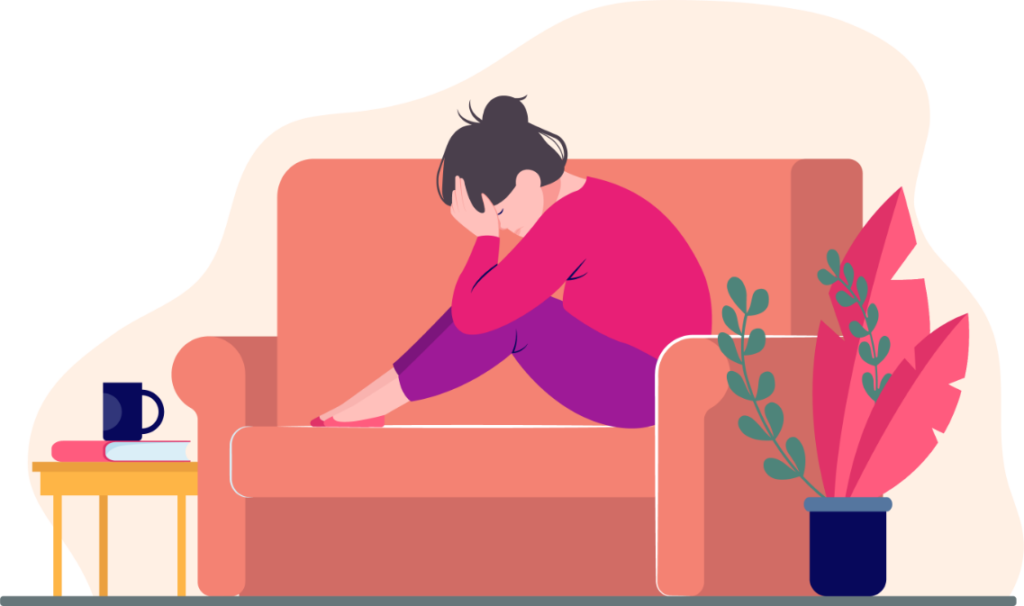
Anorexia nervosa is more than simply “not eating enough,” and it’s a serious mental and physical health condition that can quietly consume a person’s life.
For most women, one of the first symptoms is an irregular or absent period. This is really a time of upheaval, and that can be very scary and confusing and emotionally overwhelming.
Here, we understand what anorexia is, why it makes periods skip and how, with treatment, the right balance of physical and hormonal health can be regained.
What Is Anorexia Nervosa?
If you’ve ever wanted to know what is anorexia, the medical definition defines it well: anorexia nervosa is a disorder of eating characterized by very low body weight, obsessive fear of gaining weight, and a distorted thinking around body shape and size.
So, when we define anorexia nervosa, it is a psychological illness, which means that this isn’t all in our heads but actually affects our brains, metabolism, hormones and health from head to toe.
Those with anorexia starve themselves and may use unhealthy weight-control approaches, such as excessive exercise. In the process, the body is starved of nutrients it requires to function, which can weaken muscles, stress organs, cause bones to become brittle and halt periods.
Types of Eating Disorders
Anorexia Nervosa is one of the more well-known, but there are countless other forms that impact both men and women. These are useful to catch them early and to treat.
Anorexia Nervosa
Characterized by severe food restriction, fear of weight gain and very low body weight.
Bulimia Nervosa
Defined by periods of binge eating followed by purging (self-induced vomiting, use of a diuretic or laxative, or over-exercising).
Binge Eating Disorder (BED)
Repeated episodes of eating large quantities of food without purging.
Avoidant/Restrictive Food Intake Disorder (ARFID)
A restricted food intake unexplained by body weight due to sensory issues or fear of choking.
Orthorexia
An unhealthy preoccupation with “clean” or “perfect” eating.
However, the Food disorder treatment is necessary for any of these conditions, so the sufferer can heal in a safe manner.
Understanding Anorexia Nervosa Symptoms
Early detection of anorexia symptoms can limit future issues. Symptoms vary but may include:
Physical Symptoms
- Extreme weight loss
- Fatigue and weakness
- Feeling cold all the time
- Brittle nails and hair
- Thinning hair
- Dry or yellowish skin
- Low blood pressure
- Fainting or dizziness
- Loss of menstrual cycles (amenorrhea)
Behavioral Symptoms
- Obsessive calorie counting
- Skipping meals or lying about eating
- Excessive exercising
- Ritualistic eating patterns
- Dressing in baggy clothes to cover up weight loss
- Perfectionism
Psychological Symptoms
- Distorted body image
- Intense fear of gaining weight
- Depression or anxiety
- Irritability
- Social withdrawal
So, if you notice more than one anorexia sign, it’s important to get help right away.
How Does It Affect Periods?
One of the lesser-known complications of anorexia nervosa is its effects on your period.
When the body is not getting enough calories, it goes into “survival mode.” The brain slows down the production of hormones, especially estrogen, needed for ovulation and regular periods. As a result, women may have:
- Irregular periods
- Light periods
- Missed periods (amenorrhea)
- Complete end of menstruation
For comfort during irregular or unpredictable bleeding, use Sensitives Maxi Long Pads, ultra-thin, extra soft, perfect for you!
What are the Causes of Anorexia Nervosa?
Anorexia is based on multiple factors of contributors.
- Biological Factors
- Family history of eating disorders
- Hormonal imbalances
- Brain chemistry irregularities
- Psychological Factors
- Low self-esteem
- Perfectionist tendencies
- Anxiety or depression
- Social & Cultural Influences
- Pressure to be thin
- Social media body standards
- Comments about body weight
- Environmental Triggers
- Stressful life events
- Trauma
- Competitive sports focusing on weight
This long list of factors is what makes anorexia a difficult condition to treat.
Diagnosis of Anorexia Nervosa
To determine if you have anorexia, your doctor will likely:
- Examination: Body mass index, blood pressure, Heart rate
- Lab tests: hormones, electrolytes, function of organs
- Psycho-evaluation: body image, food intake, and emotional health
- History of menstruation frequency, duration and irregularity
What are the Treatment Options?
Anorexia nervosa treatment aims to restore physical health and develop a healthy relationship with food while treating the emotional triggers.
Medical Treatment
- Tracking the health of your heart, kidneys and hormones
- Nutritional rehabilitation
- Supplements for deficiencies
- Treatment of complications (loss of bone and periods)
Psychological Therapy
Most common Anorexia is usually treated with:
- Cognitive Behavioral Therapy (CBT)
- Family-Based Therapy (FBT)
- Dialectical Behavior Therapy (DBT)
- Group therapy
Nutritional Counseling
A registered dietitian can help them come up with a safe, structured eating plan to regain weight and balance hormones.
Hospitalization (if needed)
In cases of dangerously low weight, dehydration or heart problems.
Recovery may be slow, but with proper support, a complete recovery is definitely achievable.
Period Care During Recovery
Your menstrual cycle may be slow to return as your body heals. Caring and cleanliness are important as you transition.
Tips for Menstrual Care
- Track menstrual patterns
- Use Comfortable pads
- Stay hydrated
- Avoid over exercise
- Maintain balanced meals
Most women opt for softer, more comfortable protection like Sensitives Maxi Long Pads, perfect for mid-flow and sensitive skin.
When to See a Doctor?
Get emergency medical help if you have any of these signs:
- Rapid weight loss
- The absence of periods for 3 months or longer
- Severe fatigue
- Heart palpitations
- Extremely low appetite
- Fainting episodes
- Emotional distress related to eating
Indeed, early treatment can prevent permanent harm to the reproductive and physical health of victims.
Conclusion
Anorexia nervosa is not simply an eating disorder, it’s a complex mental and physical health condition that affects the body from head to toe, including hormones and menstrual cycles. The good news is that, with the proper treatment and support, recovery is completely attainable.
If you or someone you love is in pain, making a call for help could be the decision that changes everything toward better health and strength.
FAQs
Can Anorexia Stop Periods Completely?
Yes. When you severely cut down on calories, you decrease production of estrogen, which can cause missed or stopped periods.
How long does it take for periods to return after treating anorexia?
Progress is seen, for most girls/women, within 3 – 6 months of healthy weight gain and a balanced diet.
Why does low weight stop menstrual periods?
Low weight sends a signal to the body that it’s time to preserve energy, turning off reproductive hormones.
Can anorexia cause hormonal imbalance?
Yes, it does mess with estrogen, progesterone, and your stress hormones.
Is it normal to have irregular periods during recovery from anorexia?
Yes. Cycles also tend to be disturbed as the body is going through a lot.
When do I need to see a doctor if I am not having periods?
Visit a doctor immediately if the periods have been missing for 3 months or more.
Can treating anorexia improve fertility?
Yes. Weight gain with hormonal balance improvement promotes ovulation and fertility.