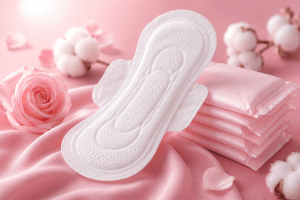
Soft Cotton Pads: Gentle Comfort for Every Period
Every woman needs good menstrual hygiene. Using clean and comfortable menstrual products helps you feel
That pounding headache before your period is not “just stress.” For a lot of women, the hormonal imbalance during their cycles causes menstrual migraines that interfere with everyday activities.
The good news? Relief and prevention are possible if you have the right knowledge.
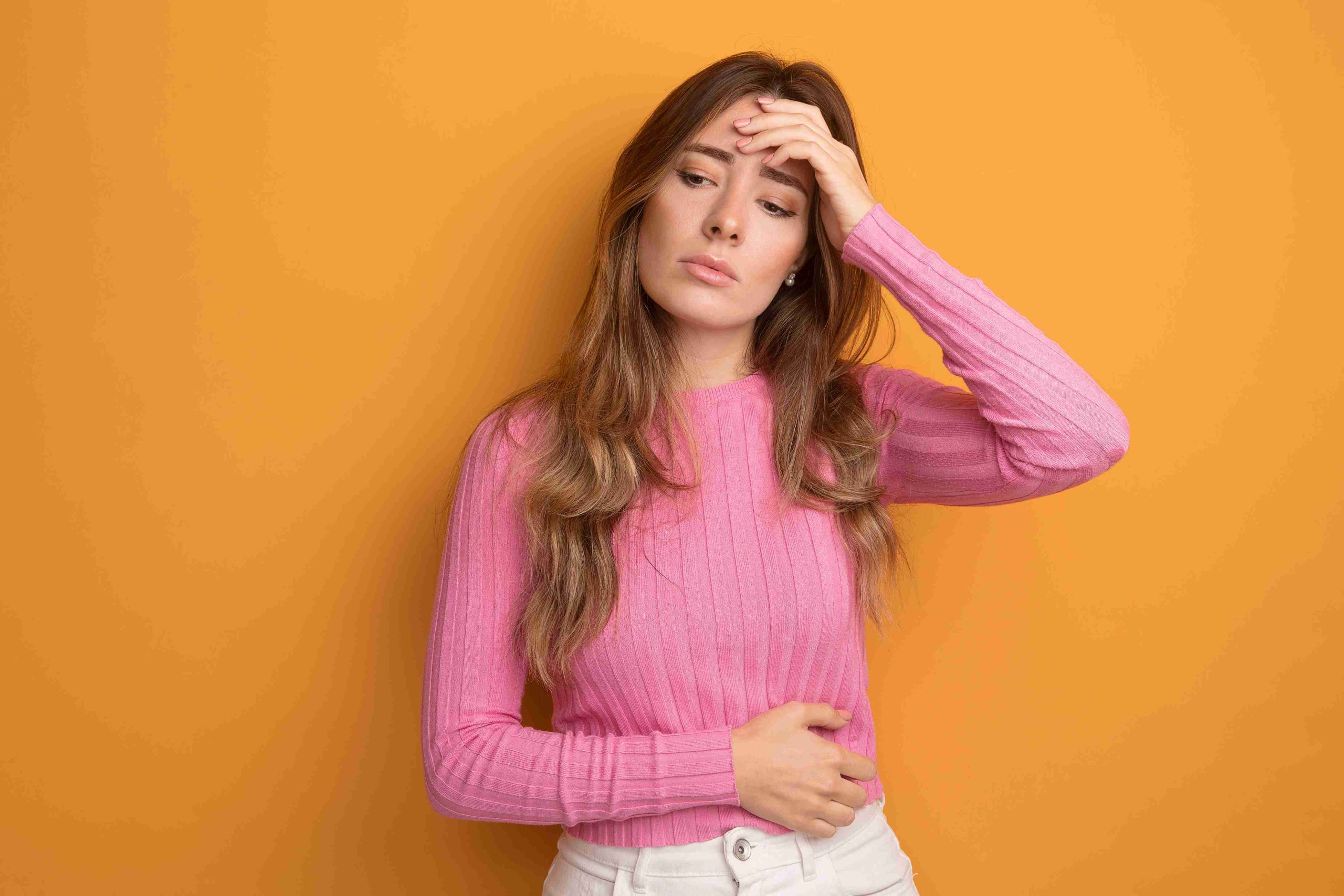
Menstrual migraines are migraines that come just before, during or shortly after a woman’s menstrual period, usually two days before the period and three days during menstruation. Some women are lucky to have nothing more than a routine, dull headache during their periods. whereas some suffer through migraine attacks that leave them bedridden and vomiting each month.
Unlike your average female headache, period headaches are more predictable, hormone-fueled and frequently worse. They often occur without warning and can last longer than non-hormonal migraines, which makes them especially challenging to treat.
Why do women get migraines, particularly around the time of menstruation? The explanation has a lot to do with hormones.
Common causes of migraines in females:
These triggers of migraines in women include the painful headache that many women get before their period, which pain is often severe than a regular headache.
Migraines aren’t the only woman headache you get around your period. Knowing the difference helps in determining treatment.
If your headache before period is severe, chronic and disabling, it’s probably a menstrual migraine and not just an ordinary headache.
Instead of being triggered by foods or other influences, menstrual migraines can be more intense because they’re caused by internal hormonal changes. Enough amount of estrogen acts as a protective factor in pain management. One is that the brain becomes more responsive to pain signals when levels of estrogen suddenly drop.
That’s why a period headache in women is often harder to manage and less susceptible to the usual painkillers.
Comfort during menstruation also matters. Using breathable, skin-friendly menstrual materials can make a difference in lowering physical and mental irritation. Get Embrace sanitary pads, wear down, ultra soft to keep cozy on already draining migraine days.
A lot of women wonder how to get rid of period headaches without using medication as their first point of call. Although outcomes differ, natural methods can help minimize frequency and severity.
When lifestyle modifications do not provide adequate relief, treatment with medication may be needed.
Common Treatment Options:
Treatment options may be suggested by a health care provider depending on the severity of the migraine and general health.
It’s often more effective to prevent migraines than to try to treat them after they begin. Key is tracking your cycle and symptoms.
Prevention Strategies:
These actions go a long way in reducing menstrual migraines and improving overall health.
You need to see a doctor if:
Pay attention: Chronic migraines could be a sign of an underlying issue that needs professional treatment.
Menstrual migraines are painful, frustrating, and frequently misunderstood, but they can be controlled.
By learning what causes woman headache, making wise lifestyle choices and getting the right treatments, women can control and have healthier, more comfortable cycles.
Menstrual migraines are caused by hormonal changes and happen around the time of your period, while regular migraines can occur anytime and can be managed easily.
There is usually a quick decline of estrogen, stress, lack of sleep, dehydration, and the release of prostaglandin are common triggers.
Hydration, magnesium, well-balanced meals, light exercise, and stress management can help naturally relieve symptoms.
Yes, it is hormonal fluctuations, especially low levels of estrogen, that are responsible.
Treatments may consist of NSAIDs, triptans, hormone therapy and doctor-prescribed preventive drugs.
Yes. Tracking your cycles, making lifestyle adjustments, managing stress and getting early preventive treatment are all factors that will help you decrease the frequency of migraine.
Every woman needs good menstrual hygiene. Using clean and comfortable menstrual products helps you feel
Periods are uncomfortable enough, plus they come with worrying about odor. Which is why odor
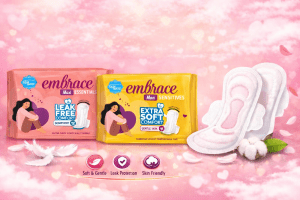
Periods can be annoying because of skin irritation, rashes, or itching. Here, more women switch
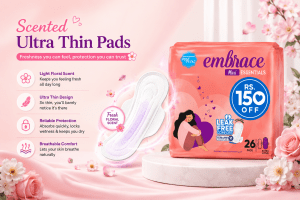
Staying fresh on your period should not be difficult; it should be easy. That is
Every woman needs good menstrual hygiene. Using clean and comfortable menstrual products helps you feel
Periods are uncomfortable enough, plus they come with worrying about odor. Which is why odor
Periods can be annoying because of skin irritation, rashes, or itching. Here, more women switch
Staying fresh on your period should not be difficult; it should be easy. That is