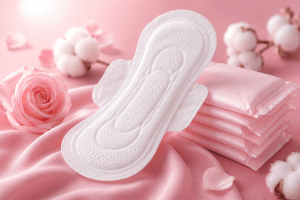
Soft Cotton Pads: Gentle Comfort for Every Period
Every woman needs good menstrual hygiene. Using clean and comfortable menstrual products helps you feel
Menstrual pain is normal. But sometimes period cramps are an unwelcome aspect for most women.
Dysmenorrhea is a medical term for painful menstruation; however, mild pain during menstruation can be normal. Severe or frequent pain should be checked.
Here is everything you need to know about dysmenorrhea, from what causes it and its symptoms, to how best to treat it, so you can reclaim your menstrual health.
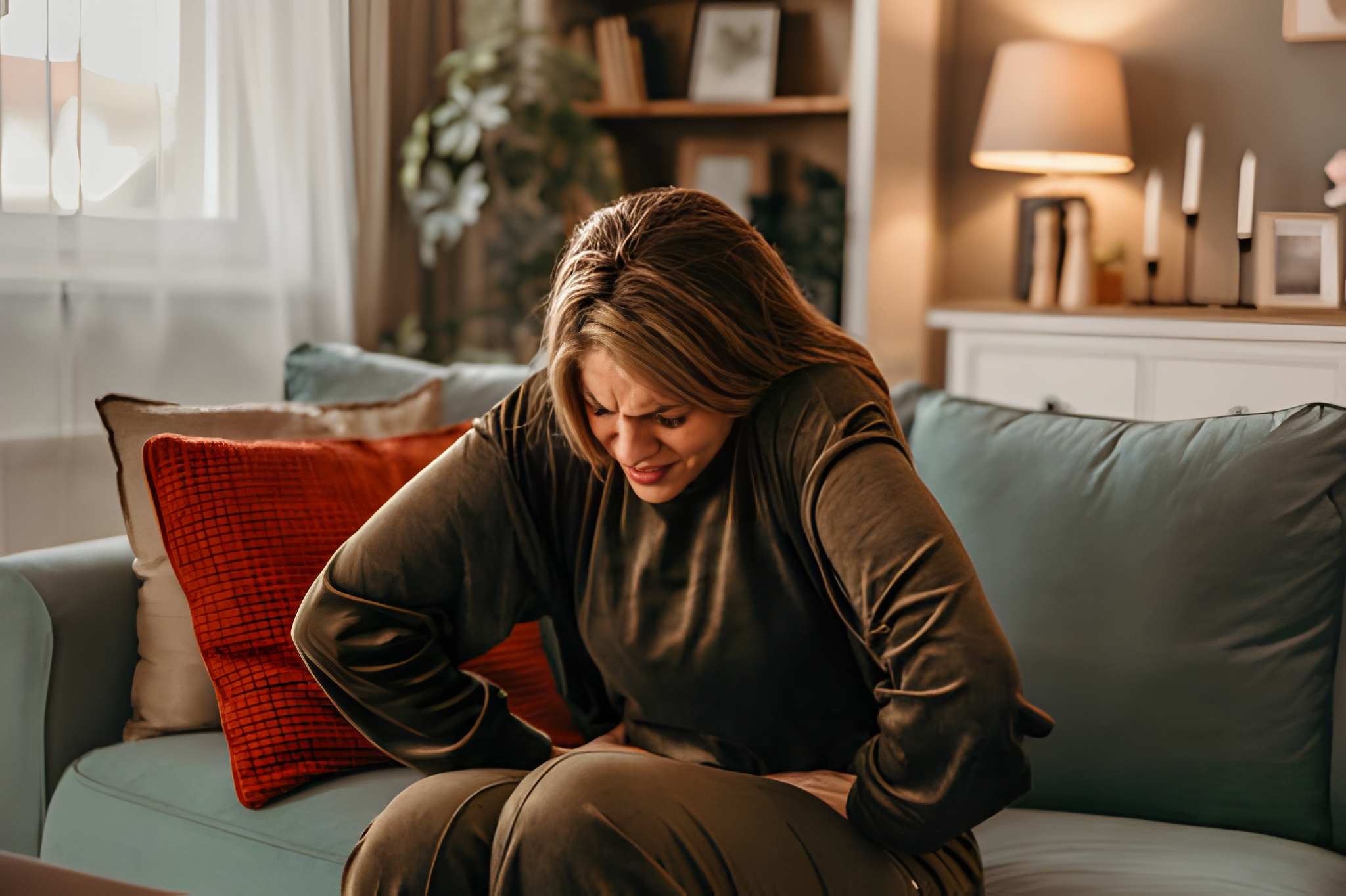
Dysmenorrhea, pain during the menstrual cycle that happens just before or during your periods. The pain typically begins in the lower abdomen and can be felt in the lower back, hips, or thighs. Although most women have some degree of discomfort during the menstrual cycle, dysmenorrhoea is a high level of pain that makes it difficult to continue their everyday activities.
Dysmenorrhea is usually classified as primary or secondary. The distinction is critically important to determine the most appropriate treatment.
Symptoms of dysmenorrhea may range in severity and duration from woman to woman. For some people, the pain is tolerable; for others, it’s hard to work through.
Common dysmenorrhea symptoms include:
The pain can last between hours and days, depending on the severity, and may interfere with your daily activities.
In addition to this, the level and material of menstrual products also matter in comfort. Nowadays, there are different types of sanitary pads in Pakistan that women prefer, like skin-friendly or breathable ones. Brands like Embrace provide comfort with painful cramps while having periods.
There are two types of dysmenorrhea: primary and secondary.
Common Dysmenorrhea Causes Include:
Primary dysmenorrhea means painful periods when there is no pelvic problem. It usually starts a year or two after the first menstrual period and is very common, especially among teens and younger women.
Prostaglandins are hormone-like substances that cause the uterine contractions of primary dysmenorrhea. When there is a great deal of prostaglandin, the uterus contracts more strongly, less blood flows into the uterine muscle, and pain develops.
Some key features of primary dysmenorrhea are:
Although primary dysmenorrhea is unpleasant, it tends to diminish over time, with natural birth or effective lifestyle and medical guidance.
This is when dysmenorrhea is related to a specific medical condition, such as an infection or other disorder of the reproductive organs. Unlike primary dysmenorrhea, which generally occurs earlier in life, secondary dysmenorrhea tends to occur at an older age.
Secondary dysmenorrhea causes may include:
Symptoms that may indicate secondary dysmenorrhea include increased pain with time, abnormal vaginal bleeding, and pain near the menstrual cycle.
The correct dysmenorrhea treatment will vary, according to the severity and cause of the pain. The good news is that there are a few things that work.
Nonsteroidal anti-inflammatory drugs (NSAIDs), such as ibuprofen or naproxen, inhibit the production of prostaglandin
Hormonal birth control (like the pill, a patch, or an IUD) can help regulate your hormones and cut down on cramps.
You should see a doctor if:
Early detection is useful in diagnosing secondary dysmenorrhea and avoiding future major problems.
80% of all women experience dysmenorrhea, but that doesn’t mean you have to suffer through it alone. When you know about dysmenorrhea, its symptoms and possible treatments, you can make good decisions for your menstrual health.
Whether you have primary dysmenorrhea in your teen years or secondary dysmenorrhea due to an underlying condition, the right treatments and lifestyle adjustments can go a long way toward making periods more manageable.
What are the symptoms of dysmenorrhea?
Symptoms may include: lower abdominal cramping or pain, back pain, nausea, vomiting, fatigue, diarrhea, constipation, and headaches. It can also cause symptoms related to menstruation.
Does severe period pain mean something could be medically wrong?
Yes. If pain is severe or getting worse, the patient may have secondary dysmenorrhea due to endometriosis or fibroids.
Can lifestyle changes reduce dysmenorrhea symptoms?
Yes. Exercise, heat treatments, stress reduction and dietary changes can aid in reducing symptoms.
Primary vs secondary dysmenorrhea: What is the Difference?
Primary dysmenorrhea is not associated with any underlying disease and seems to be connected with prostaglandins, while secondary dysmenorrhea results from an organic cause.
Is it normal to feel pain before or after you menstruate?
It is not uncommon to experience mild discomfort before or during your period, but continued pain after your cycle could be a sign of something more serious and should be checked out by a doctor.
Is dysmenorrhea common in teenagers?
Yes. Dysmenorrhea is a frequent phenomenon during adolescence and particularly in the years immediately after menarche.
Every woman needs good menstrual hygiene. Using clean and comfortable menstrual products helps you feel
Periods are uncomfortable enough, plus they come with worrying about odor. Which is why odor
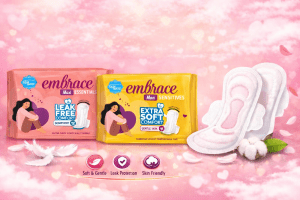
Periods can be annoying because of skin irritation, rashes, or itching. Here, more women switch
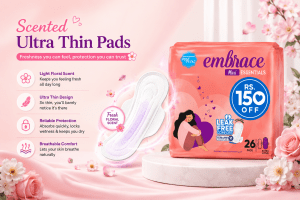
Staying fresh on your period should not be difficult; it should be easy. That is
Every woman needs good menstrual hygiene. Using clean and comfortable menstrual products helps you feel
Periods are uncomfortable enough, plus they come with worrying about odor. Which is why odor
Periods can be annoying because of skin irritation, rashes, or itching. Here, more women switch
Staying fresh on your period should not be difficult; it should be easy. That is