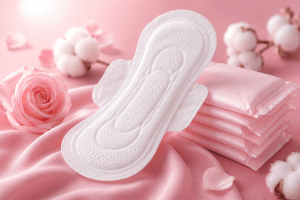
Soft Cotton Pads: Gentle Comfort for Every Period
Every woman needs good menstrual hygiene. Using clean and comfortable menstrual products helps you feel
Motherhood doesn’t end after giving birth; it’s the beginning of a new adventure known as the postpartum period.
This all-important phase is the groundwork for a mother’s recovery, health and quality of life. so, here, we’re going to discuss what the postnatal period is, the significance of postnatal care and practical tips for a smooth recovery after birth.
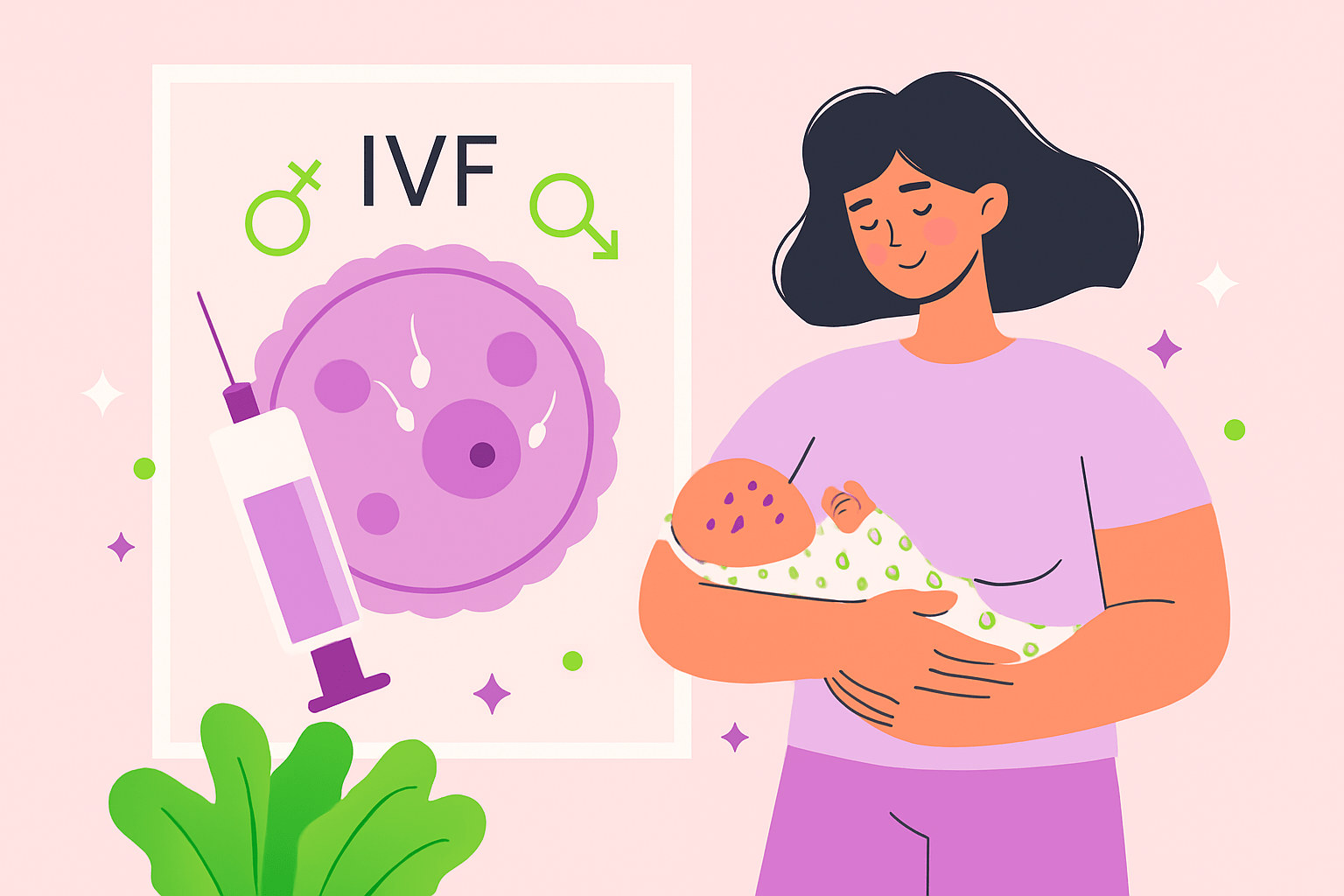
So basically, what is Postnatal Period?
The postnatal, or postpartum period, is the time immediately after your baby’s birth and also refers to those first six weeks or so following delivery, when a woman’s body begins its recovery process. This time is full of physical, emotional and hormonal adjustments as your body recovers from pregnancy.
This is a crucial time for mothers to be able to recover, bond with their newborn and set up good habits. It is also a time for close watch for complications like infection, hemorrhaging or mood disorders.
Key Points:
The duration of a postnatal period can differ from woman to woman and between vaginal or cesarean birth. Although it is often said to last six weeks, full recovery, especially for mothers who had a C-section delivery, may take longer.
In this time the body heals, the hormones settle down and the mother gets adjusted to her new routine with a baby. However, some women continue feeling dull, il, or tired, they require more follow ups until they feel better.
Postnatal is a period of continuous change. Here’s what usually occurs:
Hormonal Changes
At this point, estrogen and progesterone hormones drop, and that can affect mood, energy levels and breastfeeding.
The postnatal care also includes the support for the mother to recover safely and adjust well to life with a new baby. Knowing what that link is between mental illness and physical health, and how to take care of yourself, can prevent things from falling apart.
Also, a woman who had periods after C section must take special care for wound checks, avoiding exertion and looking out for signs of infection.
In case you are seeing any of these symptoms, visit doctor:
Reach out for support: Do not be afraid to ask your spouse, a neighbor or other family members for help with housework and child care.
What is the postnatal period?
It is a period of weeks to months around (4-6 week) after the birth of the newborn baby when the mother’s body, including hormone levels and uterus size, returns to a non-pregnant state.
The postnatal period is begins soon after the birthing process and continues for 4-6 weeks.
The postpartum period is the weeks and months after a woman has had a baby. This phase continues for about 6 weeks.
You can begin gentle exercises a few weeks after the baby is born, if you are feeling up to it. A Caesarean section patient should be optimized medically before operation.
Estrogen and progesterone fall, oxytocin is released in spurts for bonding and milk production, and prolactin rises up to promote breastfeeding.
If you are having a hemorrhage that is soaking through pads quickly and has a very bad odor or if it is painful, or accompanied by fever, all big warning signs of infection, reach out to your doctor ASAP.
After birth, the time is the most important to regain your mental and physical health. With healthy aftercare, knowledge of physical and emotional changes and prompt medical attention, recovery is easy. And doing so well, with support, builds a healthy foundation for a new mother.
Every woman needs good menstrual hygiene. Using clean and comfortable menstrual products helps you feel

Periods are uncomfortable enough, plus they come with worrying about odor. Which is why odor
Periods can be annoying because of skin irritation, rashes, or itching. Here, more women switch
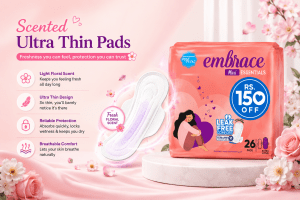
Staying fresh on your period should not be difficult; it should be easy. That is
Every woman needs good menstrual hygiene. Using clean and comfortable menstrual products helps you feel
Periods are uncomfortable enough, plus they come with worrying about odor. Which is why odor
Periods can be annoying because of skin irritation, rashes, or itching. Here, more women switch
Staying fresh on your period should not be difficult; it should be easy. That is