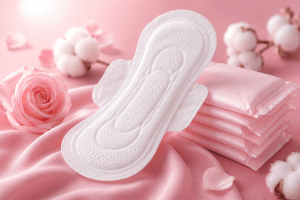
Soft Cotton Pads: Gentle Comfort for Every Period
Every woman needs good menstrual hygiene. Using clean and comfortable menstrual products helps you feel
Vaginal dryness is a common but little-discussed problem that impacts millions of women around the world.
Whether it’s due to hormonal fluctuation, menopause, or general lifestyle (stress, diet) triggers that can lead to discomfort if untreated, and itching.
The good news?
With the proper care and hydration, you can be comfortable and confident. Now, let’s read the vaginal dryness symptoms, causes, and how to treat vaginal dryness in detail.
Vaginal tissue becomes drier and less flexible when it doesn’t have the right amount of moisture, which can result from lower estrogen levels. The occurrence of this syndrome is not age-specific and can occur in women of any age group, but it is more common around the time of menopause.
In addition to this, medically, extreme dryness associated with low estrogen is referred to as vaginal atrophy.
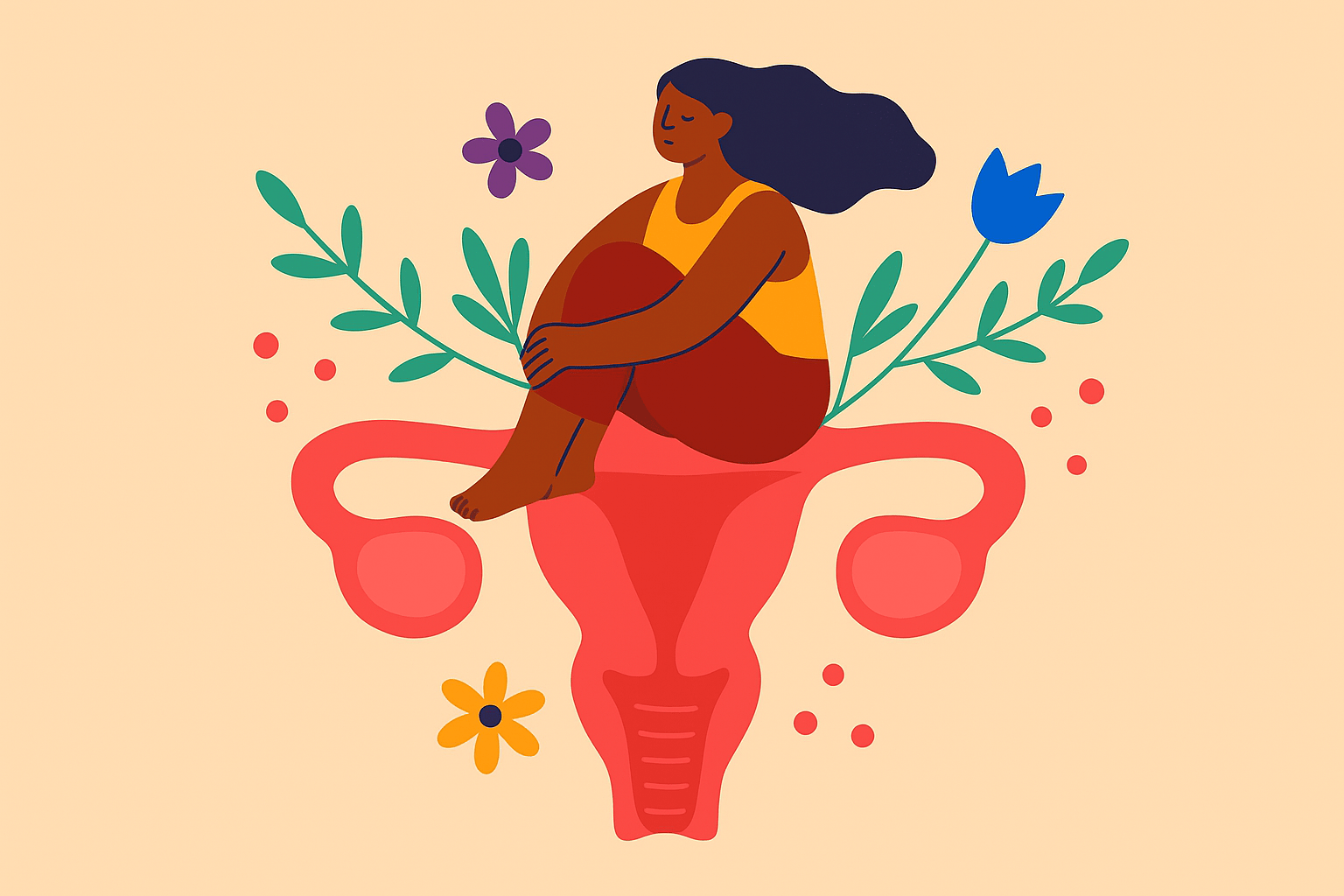
Knowing the cause of a dry vagina is critical before treatment. Common reasons include:
If you find yourself with any of these vaginal dryness causes, speak to your gynecologist for a proper assessment.
The vaginal dryness symptoms can be evident and are sometimes confused with infections or irritation. Common signs include:
These issues can be a huge blow to quality of life and intimacy, so it’s important to get ahead of early warning signs.
What is the link between vaginal dryness and itching?
Vaginal dryness and itching frequently occur together. With more friction in the drier vaginal tissues, the irritation puts you on edge to scratch nonstop. Gentle, pH-balanced soaps and topical vaginal moisturizers may also provide comfort.
Featuring soft, skin-friendly comfort and feminine care products designed to keep your natural moisture balanced, Embrace is a brand you can trust.
How to treat vaginal dryness depends on the cause and how severe it is. The most effective ways to do it are listed here:
Use vaginal moisturizers. These products can bring and retain moisture to the vaginal tissues for lasting comfort.
Do not use petroleum based creams as it can lead to infections or allergic reactions.
If dryness is related to menopause or hormonal changes, your doctor might prescribe topical estrogen treatments in the form of creams, tablets or vaginal rings. These stimulate estrogen directly in the vaginal region, which increases natural lubrication.
Coconut oil, olive oil and aloe vera gels may temporarily soothe dryness. However, do a patch test and speak with your doctor before putting anything inside your vagina.
Hydrate and make sure you´re eating a healthy diet full of omega-3 fatty acids.
Quit smoking, too, as it decreases blood flow to vaginal tissues.
Try yoga or meditation to reduce stress.
So, if you see vaginal dryness symptoms, there are numerous options for moisturizing therapies to address vaginal dryness, focusing on hydration and elasticity.
| Treatment Type | Description | Duration/Effect |
| Vaginal Moisturizing Gels | Applied regularly to maintain moisture | Long-lasting relief |
| Hyaluronic Acid Creams | Deeply hydrates vaginal tissues | Restores elasticity |
| Estrogen Creams | Prescribed by doctors for menopausal dryness | Balances hormone levels |
| Vaginal Suppositories | Slow-release moisturizers for consistent hydration | Extended moisture |
The proper treatment option will depend on the cause of the problem, age and medical history. You should always consult your physician before using hormonal preparations.
Some degree of dryness is normal, and home management can help reduce minor symptoms; however, persistent ones may require professional attention. If you have the following conditions, consider visiting a gynecologist:
A care provider can determine whether it’s vaginal atrophy, infection or some other underlying issue.
The most common symptoms are burning, itching, and recurring UTIs.
Yes. It is very common during menopause. Because during that period the estrogen levels are reduced and the vaginal tissues become thinner and drier.
The best treatments are vaginal moisturizers, estrogen creams or hyaluronic acid gels.
Foods high in omega-3 fatty acids (such as salmon, chia seeds and walnuts) and supplements that contain vitamin E or phytoestrogens might also help boost lubrication naturally.
Yes, these two help with vaginal dryness, but the main difference is that lubricants give temporary relief, while moisturizers provide hydration and comfort over time.
If dryness is severe, painful or causes infections and no home care helps you, you should see a gynecologist.
Yes. Some oral contraceptives lower estrogen levels, making some women experience temporary vaginal dryness.
Vaginal dryness is a more common issue than you might think, but it’s also totally treatable. However, by knowing the triggers, recognizing symptoms early and selecting proper moisturizing treatments, you can regain comfort and confidence.
So, listen to your body and seek professional advice when necessary you should always put yourself first.
Every woman needs good menstrual hygiene. Using clean and comfortable menstrual products helps you feel
Periods are uncomfortable enough, plus they come with worrying about odor. Which is why odor
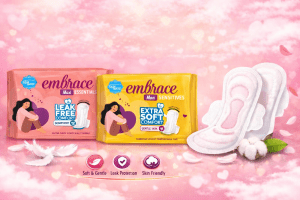
Periods can be annoying because of skin irritation, rashes, or itching. Here, more women switch
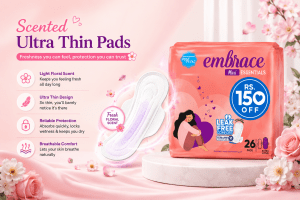
Staying fresh on your period should not be difficult; it should be easy. That is
Every woman needs good menstrual hygiene. Using clean and comfortable menstrual products helps you feel
Periods are uncomfortable enough, plus they come with worrying about odor. Which is why odor
Periods can be annoying because of skin irritation, rashes, or itching. Here, more women switch
Staying fresh on your period should not be difficult; it should be easy. That is