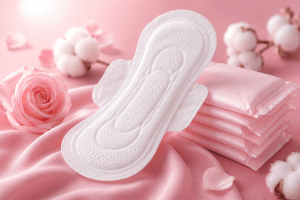
Soft Cotton Pads: Gentle Comfort for Every Period
Every woman needs good menstrual hygiene. Using clean and comfortable menstrual products helps you feel
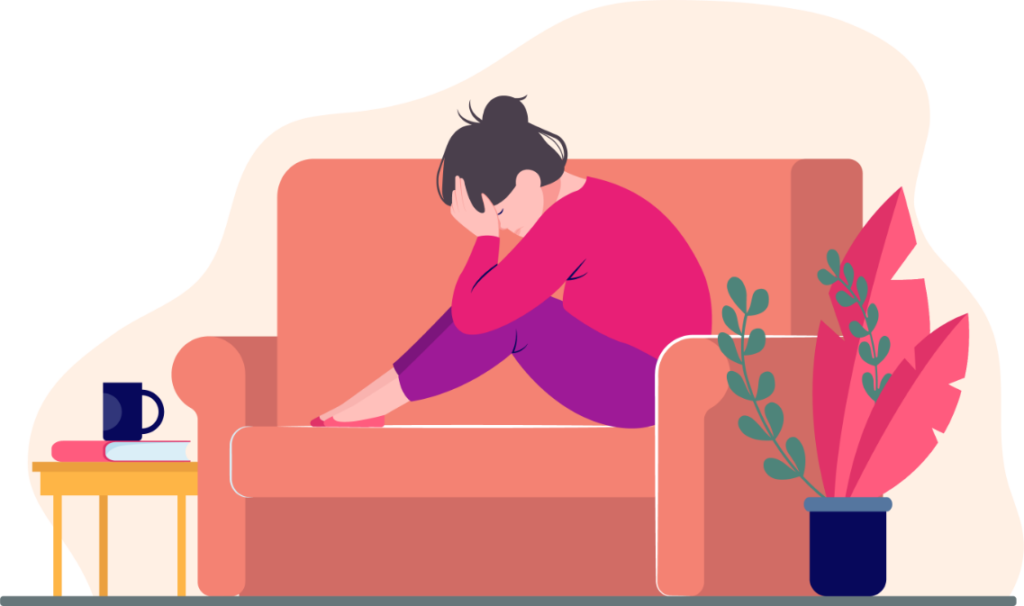
This condition is one of the most common vaginal bacterial infections among women in their childbearing years. The strange discharge and smell might even start getting in the way of your confidence or your day-to-day activities.
You should understand the causes, symptoms, and treatments of Bacterial Vaginosis, to have a healthy vagina in life, and not get it on and off.

The conditions occur where the natural balance of bacteria in the vagina is reduced. The bad bacteria do not like a slightly acidic environment that is usually provided by the good bacteria (Lactobacillus). However, when the number of these friendly bacteria decreases, bad bacteria lead to the occurrence of BV.
Such imbalance may lead to vaginal irritation, discharge and odor, but other women may not experience any of these symptoms. BV is very prevalent; one out of three women aged 15-44 years is estimated by the Centers of Disease Control and Prevention (CDC) to acquire it in some given time.
Bacteria are easily disrupted in your vagina by a large number of reasons:
Fragrant Goods: wipes and perfumed soaps, bubble baths are not good choices for the vagina.
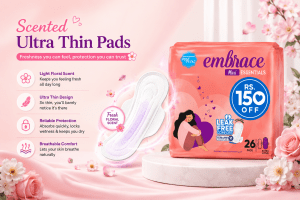
It is important to have safe and gentle menstrual products when having a healthy vaginal environment. Change to the most appropriate sanitary pads in Pakistan, Embrace Comfort Maxi Long Pads since they will make sure you stay dry and irritation-free!
The most common signs and symptoms of BV include:
Many times, women with BV don’t show any clear symptoms. Which is why frequent checkups and paying attention to small shifts in vaginal health are so important.
If left untreated, BV can lead to more serious health problems. These may include:
Although those side effects can get even worse if you’re unable to recognize the BV symptoms early on and have difficulty finding immediate bacterial vaginosis treatment.
The good news is, BV can be easily treated. The aim of treatment is to restore harmony among the unscrewed bacteria in the vagina. Here are the best strategies:
Pills, creams and gels containing metronidazole (a drug similar to the antibiotic that’s used to treat many kinds of infections) are available, as are some other prescription drugs. The good bacteria may counteract the bad bacteria causing imbalance, and antibiotics also target those bad bacteria.
You could consider eating some probiotics or taking supplements, which will increase the beneficial bacteria in the vagina. Plus, yogurt, or probiotic capsules may be effective.
Stay away from scented soaps, vaginal sprays or harsh cleansers. All you need to do is wash with unscented soap twice a day and your pH will be in good shape.
Frequent changing of your sanitary pad and cotton underwear can keep bacteria growth at bay and reduces irritation. Do not wear tight clothing. Bacteria can grow faster if undergarments are tight.
Recurrent BV is common. If the symptoms come back, talk to your doctor about treatment or lifestyle adjustments.
There are some straightforward, but effective ways to mitigate that risk:
If you do have any kind of weird discharge, odor or itching going on, it’s a good idea not to ignore that. Seek medical help if:
Always keep in mind that early diagnosis is the key to speedy resolution of your condition, and help lessen the risks for potential complications.
Bacterial Vaginosis is actually not that uncommon, and with the proper care it’s totally manageable. If you spot the early symptoms of bacterial vaginosis, you can keep symptoms best way and protect your reproductive system.
And by knowing the cause of bacterial vaginosis, and how to get rid of it naturally, you can finally be free from infection.
Just always hear what your body is trying to tell you!
Bacterial vaginosis results from an unhealthy balance between the good and bad bacteria in a woman’s vagina, typically brought on by douching, or hormonal changes.
“With bacterial vaginosis, you may have thin gray and white discharge with a fishy odor, itching, [feeling] stronger or more offensive smell. Besides this, a medical test verifies the diagnosis.
BV may go away on its own in mild cases, but most people need medications to treat it. Medical intervention is also advised for full recovery.
Good hygiene, not douching, and following your doctor’s treatment plan can prevent it from returning.
Untreated BV may cause pelvic inflammatory disease and pregnancy complications.
Every woman needs good menstrual hygiene. Using clean and comfortable menstrual products helps you feel
Periods are uncomfortable enough, plus they come with worrying about odor. Which is why odor
Periods can be annoying because of skin irritation, rashes, or itching. Here, more women switch
Staying fresh on your period should not be difficult; it should be easy. That is
Every woman needs good menstrual hygiene. Using clean and comfortable menstrual products helps you feel
Periods are uncomfortable enough, plus they come with worrying about odor. Which is why odor
Periods can be annoying because of skin irritation, rashes, or itching. Here, more women switch
Staying fresh on your period should not be difficult; it should be easy. That is