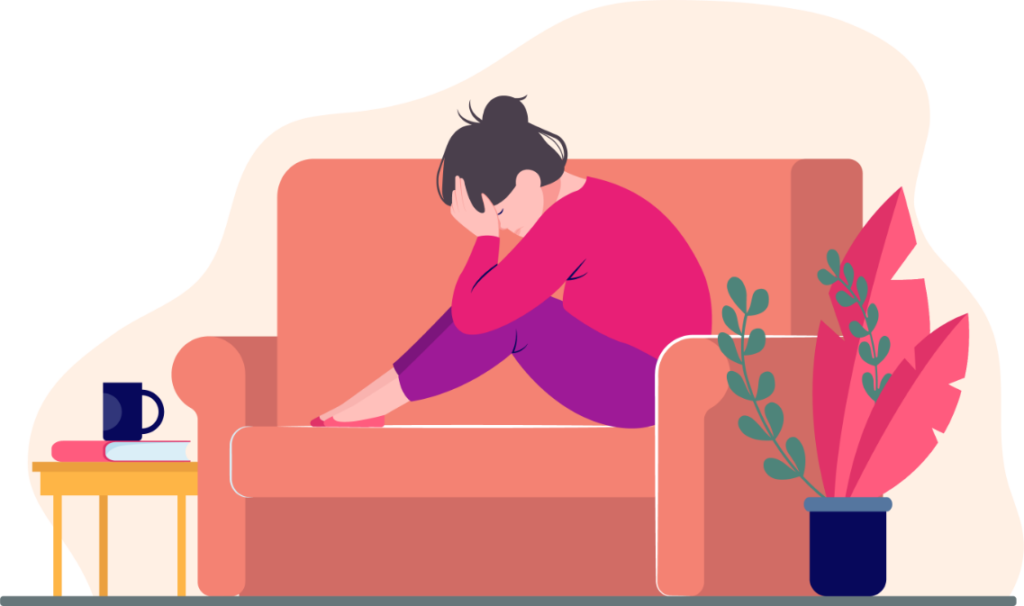
Late periods are the most frustrating thing that happens to women, especially when they don’t know the reason behind it.
So, we are here to help you understand the late period symptoms. Whether you want to conceive, avoid pregnancy, or just deal with an irregular period cycle, knowing your symptoms will help you understand what your body is trying to tell you.

Let’s get started!
Signs to Watch for Delayed Periods
There are several reasons for delayed periods: watch for your signs and listen to your body to have a worry-free menstrual cycle.
Below are the signs that indicate you’re having late periods, Look for these signs. However, if these signs don’t settle in a few days and get worse, then it’s better to talk to your doctor.
The symptoms are:
Body Changes:
Around your due date or when your period gets delayed, your body shows some visible signs that include acne, bloating, and breast tenderness. Besides this, you will also have an intense craving for specific food items such as salt and sweets.
Mood Swings:
The role of hormones is so obvious in the changing of your mood and how you feel emotionally. So, when your periods are late, you may feel anxiety, panic, stress, or frustration because of the fluctuation of hormones in your body.
Cramps Without Period Bleeding:
When your periods are late, you will feel light cramping. This happens because your body is getting prepared to menstruate, but hormones aren’t ready yet.
Change in Vaginal Discharge:
Your vaginal discharge can tell you much about your periods. However, the key is to understand different types of vaginal discharges.
Before the periods start, the discharge becomes thick and white. Moreover, if you see clear vaginal discharge, it means that you’re in your ovulation window. But if your periods are late, it means that you’ll be having a relatively longer menstrual cycle.
Digestive Issues:
First of all, late periods are frustrating. Then, they bring such symptoms with them that make the situation worse. One of them is the imbalance of the digestive system.
You might feel diarrhea or constipation while waiting for your period to come. Moreover, feeling bloated and having gas issues can also happen.
How Much Delay in Periods Is Normal
A menstrual cycle is considered normal if it falls between the range of 21 and 35 days, and a period can come a few days before or after without being worried.
A delay from your prior cycle of up to 7 days can be normal under factors such as stress, slight hormonal changes, travel or changes in daily and nightly routine. However, if your period is more than a week all the time or you go without getting one for two to three months in a row, but you’re not pregnant, there could be another issue. And if you miss 3 periods in a row without being pregnant, then you must consult a doctor.
Other possible reasons for a late period can be hormonal imbalance/weight changes/health conditions, and you should take it seriously and check on time.
Understanding the Reasons for Late Period
There are many reasons for menstrual disorders. However, these are some of the major issues that you need to be concerned about:
- Change in sleeping schedule
- Change in diet
- Unhealthy food intake
- Pregnancy
- Some kind of medication
- Hormones imbalance
One main concern and the most asked question is, “Can stress delay period.”?
So, yes, it does delay your period. In fact, it is one of the main reasons that can cause a delayed period. When you are stressed, your hormones fluctuate. This becomes the reason for the late period.
Besides this, you must admit that periods are a natural process that occurs with all females. So, there is nothing to stress about it. Just with the right guidance and medication you can manage the causes of delayed period.
Conclusion
So, one thing that you should always keep in mind is that the late periods are a matter of concern but not a reason to panic.
We have discussed all the possible late period symptoms. Now it’s your turn to deeply understand these symptoms and try to listen to your body signals closely.
The more knowledge you have of these things, the more easily you can control the situation if you get delayed period symptoms. Plus, for stress-free periods, eat a healthy diet, take a lot of fluids, and most importantly, use the right sanitary pads. Maintain your hygiene, and with little changes to your lifestyle, you can make your cycle regular.
FAQs
What can be the maximum delay in periods if not pregnant?
If there is no pregnancy, the cycle typically lasts around 21 to 35 days. If you are not pregnant and your period is more than 7 days late, it can be irregular, missing more than three months of periods is considered amenorrhea and should lead to a check by a health care professional.
Can a hormonal imbalance delay periods?
Yes. Hormonal disruptions (such as PCOS or thyroid conditions) can affect the timing of your cycle, leading to late or missed periods.
When should you go see a doctor about a late period?
Visit a doctor if your period is always late, you’ve missed three or more cycles or have other symptoms (pain, intense bleeding, strange discharge).
Does a late period mean you are in menopause?
It can happen during perimenopause (in the years leading up to menopause) when hormones change, and cycles grow irregular.
Can being sick or medicine delay your period?
Yes, some illnesses, stress and medications (including birth control or other prescriptions) can cause a delay in your period.
Can changes in terms of weight gain or loss affect my period?
Yes. Concerning excessive amounts of weight gain or loss, your hormones may become unbalanced, and your period could be delayed.