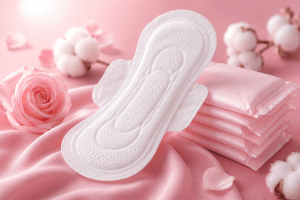
Soft Cotton Pads: Gentle Comfort for Every Period
Every woman needs good menstrual hygiene. Using clean and comfortable menstrual products helps you feel
One minute, everything feels normal. Next, your body is throwing out its own rulebook. Welcome to perimenopause, the stage of life where hormones play aroundl. If things feel uncertain lately, know that you are not alone and you definitely aren’t losing it.
Keep reading to know what’s really going on, details of what is changing for you, and how to navigate this transformation without being afraid.
It’s the natural transition to menopause, characterized by fluctuating estrogen and progesterone levels. Unlike menopause, which has a clear endpoint, perimenopause progresses gradually, often in unpredictable ways.
This process is mysterious to many premenopausal women because:
Hormone levels do not fall at a constant rate
Over time, your periods may become more irregular
Bodily and emotional reactions vary by the month
Perimenopause isn’t an illness; it’s a biological transition. Just knowing that helps take a lot of the stress off.
Perimenopause periods are one of the first and most obvious changes. Your cycle may make an appearance after all, but not the way you’re used to.
Common period-related changes include:
Shorter or longer cycles
Months of not returning, and then suddenly some do
Changes in the flow from lighter than normal to heavier
These changes occur because ovulation becomes irregular. When ovulation isn’t regular, hormone levels shift more wildly, which has a direct impact on both timing and flow.
Though uncomfortable, these changes are normal at this point and do not necessarily indicate a health issue.
Perimenopausal bleeding is defined as any type of bleeding that doesn’t follow your regular pattern. The single most common cause is hormonal imbalance, generally when ovulation becomes irregular.
This may include:
Though these cases are generally benign, one should still pay attention. If your bleeding is very heavy, occurs frequently, or lasts longer than normal, it’s something you should share with a healthcare professional.
When it comes to their own unpredictable cycles, comfort and protection are key. The best ultra-thin sanitary pads are therefore very popular with women as they offer reliable protection. Perfect for those times when timing and flow are in question.
There is no one-size-fits-all perimenopause treatment, but some strategies can help smooth out this transition.
Lifestyle changes are frequently the first and best course of action. Some lifestyle changes can be:
These practices help to balance hormones and promote health.
Medical support can be beneficial if symptoms are impacting daily living:
However, the best choice depends on one’s own health history, comfort level, and long-term aspirations. Personalized treatment is always in, not guesses or assumptions.
Perimenopause may start in the late 40s or 45s, but timing can depend on genetics, health, and lifestyle.
For most, perimenopause is a 4 to 8-year stepping-down process, but for others, it may last more than a decade.
First symptoms usually consist of more subtle changes, such as differences in menstrual timing, flow, or levels of energy or sleep.
Yes. Among younger women, hormonal changes in combination with poor sleep can leave you feeling tired throughout the day.
Pregnancy is not uncommon during perimenopause. Though your risk of age-related complications may be higher, it’s not inherently dangerous. It’s still important to use contraception if pregnancy is not planned.
There’s no single test. Doctors examine age, cycle patterns, and general hormonal trends to determine if perimenopause has initiated.
Perimenopause is not necessarily the end; it’s the possibility that we may get some new version. With the right information, tender care, and reasonable expectations, the period isn’t so challenging.
Buckle in, yes, but remember: you still have control of your journey!
Every woman needs good menstrual hygiene. Using clean and comfortable menstrual products helps you feel
Periods are uncomfortable enough, plus they come with worrying about odor. Which is why odor
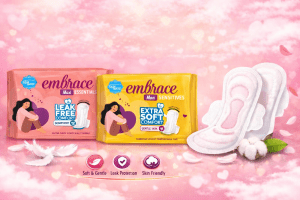
Periods can be annoying because of skin irritation, rashes, or itching. Here, more women switch
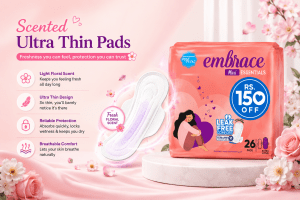
Staying fresh on your period should not be difficult; it should be easy. That is
Every woman needs good menstrual hygiene. Using clean and comfortable menstrual products helps you feel
Periods are uncomfortable enough, plus they come with worrying about odor. Which is why odor
Periods can be annoying because of skin irritation, rashes, or itching. Here, more women switch
Staying fresh on your period should not be difficult; it should be easy. That is