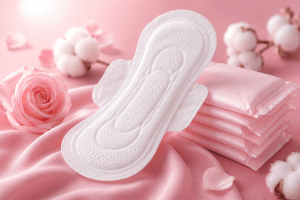
Soft Cotton Pads: Gentle Comfort for Every Period
Every woman needs good menstrual hygiene. Using clean and comfortable menstrual products helps you feel
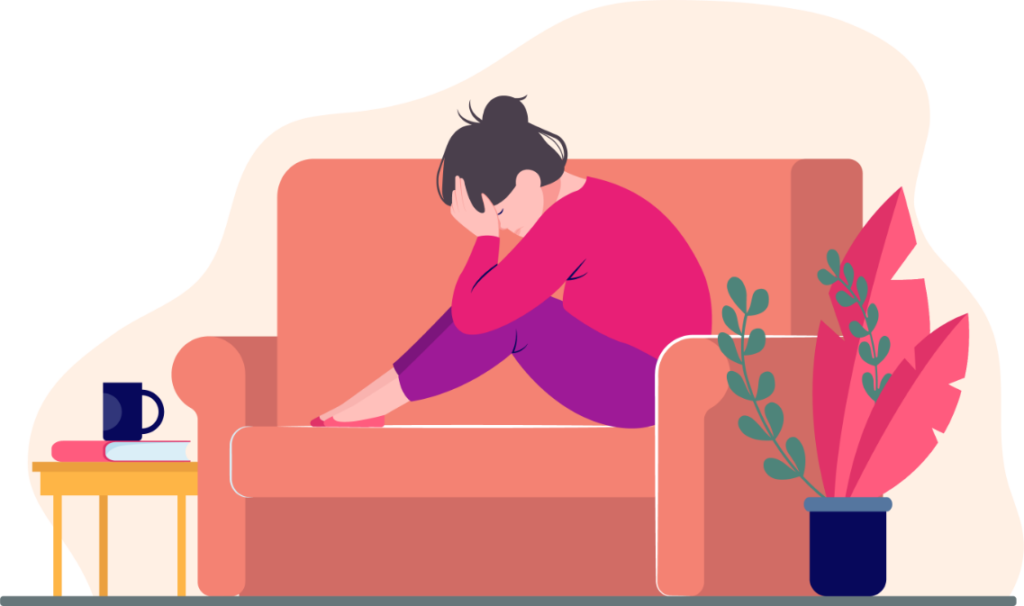
Sick of taking medicines to cope with your PCOS symptoms?
PCOS is a complex issue with a multitude of potential underlying causes such as inflammation, insulin resistance and hormone imbalances. The medical community only believes in medicines to treat symptoms. But, there are more and more females interested in holistic replacements and complementary ways to help their bodies heal themselves, along with balancing hormones naturally.
So, we will look at three all-natural ways to manage symptoms of PCOS and support hormone health without necessarily requiring medication for the long term. Read on to learn easy steps you can start taking now to feel better and balance your hormones.

Polycystic ovary syndrome (PCOS) is a common endocrine disorder that occurs in an estimated 1 out of 10 women of reproductive age. The collection of symptoms that define PCOS can include menstrual irregularities and high levels of androgen (a type of hormone), as well as ovarian cysts, insulin resistance and infertility.
PCOS is commonly referred to as a hormone imbalance or metabolic disorder. The increased male hormones characteristic of PCOS often creates symptoms such as excess facial and body hair, scalp hair loss, acne and menstrual irregularities.
The exact cause of PCOS is not yet clear, but it appears to involve a complex relationship between genetics, insulin resistance, inflammation and abnormal levels of hormones. The common features of PCOS are irregular or absent periods, high levels of male hormones such as testosterone, and polycystic ovaries with multiple small cysts (follicles) visible on an ultrasound.
Polycystic Ovary Syndrome (PCOS) is a complicated condition that affects women differently. And there are several possible symptoms of PCOS:
Irregular periods or lack of periods: one of the first indicators for most women that they have PCOS. If eggs are not released by the ovaries, a woman’s periods may be irregular, or she may not have any periods at all.
Excess androgen: Women with PCOS develop excess levels of male hormones. Those symptoms can include facial hair, scalp hair loss, acne and oily skin.
Ovarian cysts: the outer edges of polycystic ovaries are covered with many small, fluid-filled sacs. Though typically benign, these cysts are characteristic of PCOS and can make it difficult for you to ovulate.
However, the symptoms of PCOS, their severity and how they are combined differ from every woman. It’s important to have a doctor diagnose you so that you can be aware of how your own symptoms and hormone levels manifest. This allows you to develop a custom treatment plan for addressing PCOS symptoms over the long haul.
One of the most powerful all-natural treatments for PCOS symptoms is diet changes. This low glycemic anti-inflammatory diet can help you stabilize your blood sugar, reduce inflammation, balance your hormones and achieve your ideal weight.
Some important dietary guidelines for women with PCOS are as follows:
Foods that spike your blood sugar (refined carbohydrates, sugars and processed foods) should be minimized. Play up complex carbs from the bites worth building on, such as whole grains, beans and lentils and starchy vegetables.
Add plenty of vegetables (preferably from all colours), fruits, nuts, seeds, fatty fish and olive oil to your meals and try to include spices like turmeric. Cut back on inflammatory foods, red meat, dairy, gluten, fried foods and alcohol.
Consume foods high in omega-3 fatty acids, which help to balance hormones and decrease inflammation, such as salmon, walnuts, chia seeds and flaxseeds. Think about trying a fish oil supplement as well.
Opt for lean or plant-based proteins like chicken, turkey, eggs, beans and lentils, etc. Red meat can increase inflammation and hormone imbalances, so it’s best to keep consumption low if you suffer from PCOS.
Reduce consumption of sweet foods, candies, baked goods and even natural sweeteners such as honey, maple syrup, etc. Read the labels carefully.
Targeted dietary changes represent one of the core holistic strategies for PCOS. To begin the balancing of blood sugar, reducing inflammation and supporting overall hormonal health, concentrate on a low glycemic anti-inflammatory diet.
Some herbs have the potential to aid in the treatment of PCOS symptoms. Here are a few of the ones most commonly used:
Spearmint tea has anti-androgen properties, which may help alleviate excess hair growth due to PCOS. Sipping on spearmint tea once or twice a day can be beneficial in decreasing androgen levels and promoting hormonal harmony. Several studies have found that spearmint tea can periods in women with PCOS.
Cinnamon may help lower blood sugar levels and increase insulin sensitivity, a concern among women with PCOS. Consuming cinnamon supplements or adding the spice to foods may be beneficial in maintaining blood sugar levels. This may help relieve PCOS symptoms that can include fatigue, weight gain and acne.
The key ingredient of turmeric is the active substance known as curcumin, which has strong anti-inflammatory properties. PCOS can be worsened by chronic inflammation, and so turmeric may provide some relief from inflammatory symptoms. Turmeric is also known for its potential to promote weight loss and support metabolism. Taking turmeric on a daily basis through diet or supplement can also help control your period and regulate it, as well as increase fertility and ease PCOS pain.
Herbs present a milder alternative to controlling PCOS compared to medications. Herbs such as spearmint, cinnamon and turmeric hold scientifically backed benefits and few side effects. This is where integrating the use of these herbs can make a real and meaningful difference to any disruptive PCOS symptoms.
Managing the symptoms of PCOS can be extremely stressful, and stress can also make PCOS symptoms worse. That’s one reason managing stress may have a potent effect on helping to reduce symptoms. Here are some of the most effective and time-tested de-stressors:
Yoga and meditation are ancient methods to relieve stress, which may also assist women with PCOS in managing stress and increasing well-being. Some yoga poses and types of meditation have been shown to decrease cortisol levels and inflammation. They even help reduce pain, regulate hormones, balance your hormones in PCOS naturally, encourage weight loss and increase fertility.
Sleep deficiency can disrupt hormone regulation that exacerbates PCOS symptoms. When you sleep 7-9 hours of quality sleep per night, the body repairs itself, hormones balance themselves, thereby resulting in better stress management. Adopting a consistent bedtime routine that supports good sleep hygiene, the kind of rest your body needs to help manage stress and PCOS symptoms.
Simple lifestyle changes that can help reduce stress may also relieve symptoms. Self-care, good boundaries, de-cluttering requirements and learning to say no will all help reduce your daily stressors and anxieties. Picking up hobbies, spending time outdoors, and enjoying time with loved ones also help reduce stress.
Holistic PCOS management can be the key for women who are struggling with this widespread condition. The natural strategies discussed in this article empower women to manage PCOS symptoms in a sustainable way. Rather than just treating the symptoms with drugs, holistic methods support actual healing by targeting the underlying reasons for hormone imbalance.
With consistency, a holistic approach can support women experiencing long-term relief from PCOS.
Yes, natural remedies may help treat PCOS by addressing hormone balance, inflammation and healing in combination with healthy lifestyle modifications.
Top lifestyle modifications are exercise, healthy eating, good quality sleep, and a stress-free lifestyle. These are the keys to natural PCOS recovery.
Eating a low glycemic index, whole foods diet can help control insulin levels, inflammation and hormones in PCOS ladies.
Yes, stress-reducing strategies such as yoga, meditation and deep breathing can calm down cortisol levels and guide to less severe PCOS symptoms.
Several natural treatments and supplements may help relieve symptoms, but they should always be taken in the combination with medical advice to confirm safety.
Every woman needs good menstrual hygiene. Using clean and comfortable menstrual products helps you feel
Periods are uncomfortable enough, plus they come with worrying about odor. Which is why odor
Periods can be annoying because of skin irritation, rashes, or itching. Here, more women switch
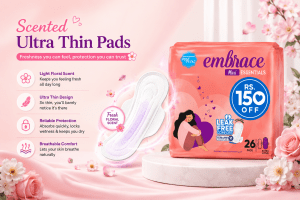
Staying fresh on your period should not be difficult; it should be easy. That is
Every woman needs good menstrual hygiene. Using clean and comfortable menstrual products helps you feel
Periods are uncomfortable enough, plus they come with worrying about odor. Which is why odor
Periods can be annoying because of skin irritation, rashes, or itching. Here, more women switch
Staying fresh on your period should not be difficult; it should be easy. That is