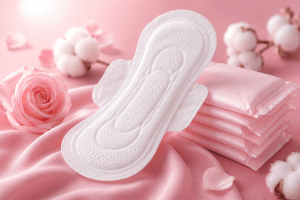
Soft Cotton Pads: Gentle Comfort for Every Period
Every woman needs good menstrual hygiene. Using clean and comfortable menstrual products helps you feel
Let’s face it, your period is typically regarded as something to “just deal with.” But what if it’s actually among the most powerful indicators of your health?
You may think your menstrual cycle is just a monthly thing. It’s a health report, discreetly showing what is going on inside your body. When everything is in harmony, so too is your cycle. And if something’s not quite right, your period is usually the first to alert you.
Knowing your cycle is not just useful, it’s powerful. We must explore how it can be used to affect all aspects of your physical being.

Your menstrual cycle is one of the best indicators of general health
A typical cycle lasts anywhere from 24–35 days
Cycle-tracking helps identify early health problems
Hormonal balance is affected by nutrition and lifestyle
It’s important for distinct and persistent irregularities to always be assessed medically
However, knowing your cycle can help you feel better both physically and emotionally
Your menstrual cycle acts like a vital sign, just as your heart rate or blood pressure does.
A regular cycle would be 24 to 35 days, and bleeding would occur for 3 to 5 days. While some variability is to be expected, persistent irregularities can signal bigger problems.
Signs of a Healthy Cycle
Warning Signs You Shouldn’t Ignore
These signs could indicate hormonal imbalances or conditions that require medical care.
Managing your menstrual cycle teaches you the cycle of your body.
You can track patterns that are unique to you by noting changes in mood, energy, flow, and symptoms.
How to Track Your Cycle: Some Easy Methods
With data collected gradually over time, this helps you:
Knowing your cycle, though, means you can live with your body, not against it.
Your hormones are directly affected by how you live and what you eat.
Nutrition for Cycle Harmony
Concentrate on feeding your body with:
Whole foods like fruit, vegetables, and whole grains
Lean proteins: Chicken, fish, legumes
Omega-3 fats (fish, chia seeds, flaxseeds)
Ample amounts of water and herbal teas
Avoid excessive:
Those can increase inflammation and worsen symptoms.
Simple lifestyle changes can have a big impact.
In particular, stress is a significant contributor to hormonal imbalance. But it’s possible to manage it, and that can really help with cycle regularity.
Your body requires special treatment while menstruating, and responding to it is crucial.
Effective Self-Care Tips
Even with a healthy lifestyle, problems can happen. The point is addressing them early.
May lead to fatigue or anemia
Heat therapy and relaxing techniques
These may result from stress, weight fluctuations or hormonal imbalance
Your cycle tells you how your body is doing, and the first step to getting better is listening.
Your hormones are more than body chemistry; they impact feelings, too.
Understanding your cycle phases can enable you to:
Increasing this awareness allows for greater emotional balance and self-compassion.
Your period is an important message from your body. Once you start to pay attention to it, you have a deeper insight into your health, energy, and emotions.
Don’t tune out or wish away your cycle hormony; learn to flow with it. Feed your body, honor its rhythms, and listen to it when it reacts with caution.”
Because real vitality starts when you pay attention to your body and one of its most truthful steeds is your cycle.
Delays are a sign that something is not good, whether that’s hormonal balance or the functioning of reproductive organs and the body as a whole. Irregularities can also indicate stress, hormonal disorders, or underlying medical conditions.
It not only alerts you when these variables change, but it also helps you plan better and practice self-care and emotional regulation to help with issues surrounding energy, mood, and physical symptoms.
Common myths include:
These misunderstandings cause stigma and prevent accurate education.
Teachers can:
And tell that menstruation is a periodic biological phenomenon
If you want to make any significant changes, consult a health care professional.
Every woman needs good menstrual hygiene. Using clean and comfortable menstrual products helps you feel
Periods are uncomfortable enough, plus they come with worrying about odor. Which is why odor
Periods can be annoying because of skin irritation, rashes, or itching. Here, more women switch
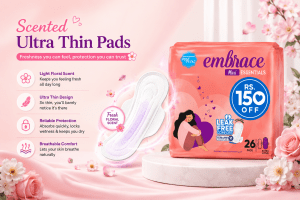
Staying fresh on your period should not be difficult; it should be easy. That is
Every woman needs good menstrual hygiene. Using clean and comfortable menstrual products helps you feel
Periods are uncomfortable enough, plus they come with worrying about odor. Which is why odor
Periods can be annoying because of skin irritation, rashes, or itching. Here, more women switch
Staying fresh on your period should not be difficult; it should be easy. That is