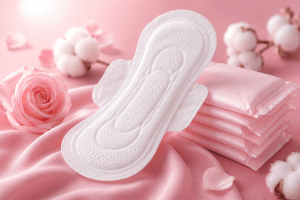
Soft Cotton Pads: Gentle Comfort for Every Period
Every woman needs good menstrual hygiene. Using clean and comfortable menstrual products helps you feel
You’ve probably heard of hormone imbalance, but do you know what it is, what causes it, and how to fix it?
In this blog, we’ll be discussing the causes, symptoms, and treatment options for hormonal imbalances. We’ll also provide some tips for managing this condition and outline some lifestyle changes that may help.
If you’re experiencing any of the symptoms mentioned below, or if you think you may have a hormonal imbalance, please consult your doctor.
Indeed, with the right care, you can manage your hormones and get back to living life as usual.
Are you feeling exhausted, yet you can’t seem to get enough rest?
Maybe you’re having mood swings and trouble sleeping, or maybe you’re dealing with sudden breakouts and weight gain. If any of these sounds familiar to you, then it is very possible that what you may be experiencing is a hormonal imbalance.
So, what is a hormonal imbalance?
This occurs when one or more of your hormones are over- or under-produced in comparison to the others. Hormones are transmitted throughout your body by the endocrine system, which controls many of the major body processes affected by hormones.
If one hormone is out of balance, it can throw off the others, too—which is why it’s so important to address any issues as soon as possible.
Hormonal imbalance has many potential causes, which can range from lifestyle factors to pre-existing medical conditions. Sometimes the cause is not known, which can make finding the right treatment more complicated.
Some of the most common causes of hormonal imbalance include:
Hormonal imbalance can manifest itself in physical and emotional symptoms. How do you know if you have a hormonal imbalance?
The following are some of the most common signs:
Hormonal imbalance is a complex medical issue, and it can be difficult to diagnose. The good news is that there are a few tests you can get to help identify possible problems with your hormones.
The first step in diagnosing hormonal imbalance is usually a blood test. This measures the levels of hormones in your blood, which can help your doctor determine if you have an imbalance. Additionally, some other markers like thyroid-stimulating hormone (TSH) and testosterone levels may be tested to get more information about your hormones.
Urine tests measure the number of hormones in your body over several days. They’re particularly useful for checking hormone fluctuations over time, which can give your doctor an idea of any irregularities or imbalances that may be happening.
Imaging scans like X-Rays and ultrasounds may also be ordered by your doctor to get more information about any tumors or growths on the endocrine glands—thyroid, pituitary, hypothalamus, that could be causing hormonal imbalances. Imaging scans can also show any damage to the kidneys or liver, which could also cause hormone-related issues.
By using these three tests—blood tests, urine tests, and imaging scans—your doctor will have a better understanding of your hormone levels and can help diagnose any imbalances that might be present.
Hormonal imbalance can be uncomfortable and annoying, but there are treatments available to help you get back on track. The type of treatment you receive will depend on your symptoms, the severity of the imbalance, and the underlying cause.
In some cases, your doctor may recommend certain medications to help balance your hormones. These could include oral contraceptives, growth hormone replacement therapy, fertility drugs, or even testosterone replacement therapy for men.
As a result of these medications, it is possible that your period blood flow may get affected. So, to stay comfortable during those days, choose Essentials sanitary pads that are highly absorbent and odor free.
Making simple lifestyle changes can also make a world of difference. Eating a balanced diet rich in lean proteins and fresh fruits or veggies can help maintain optimal levels of hormones in the body. Exercising regularly can also help balance hormone levels – just make sure to warm up and cool down properly before and after each workout session!
Additionally, it’s a good idea to get regular sleep; aim for at least 8 hours per night. Avoiding excessive drinking and smoking is also beneficial for your overall health – both are linked to various hormonal imbalances.
Certain supplements and herbs can help address specific types of hormonal imbalances like low thyroid function (hypothyroidism). Check with your doctor first before taking any supplements as they may interact negatively with the other medications you might be taking.
With the right strategies in place, hormonal imbalances can be successfully managed so that you can live a happy and healthy life!
One thing you can do to help manage your hormonal imbalance is to balance your diet and lifestyle. This means taking into consideration things like:
Nourishing your body with the right nutrients is the key in helping to regulate hormones. Eating foods rich in essential fatty acids, vitamins, and minerals, like vegetables, fruits, nuts, seeds, and legumes will help to promote balance in the body.
Unhealthy foods can be a feast for hormones. This means steering clear of processed food and refined carbohydrates. Not only do these lack nutrition but they also tend to cause spikes in blood sugar levels which can further contribute to hormone imbalances.
In addition to eating healthy food, getting regular exercise is important. Exercise helps reduce stress levels, which can influence hormones like cortisol. Try including activities like walking, yoga, or high-intensity interval training (HIIT).
The bottom line is that improving nutrition and lifestyle habits can make all the difference when it comes to remaining balanced hormonally. Make sure you’re taking the time to listen to your body and give it what it needs – whether that’s rest or physical activity – so it’s functioning at its best!
No matter what the cause, the key is to recognize the signs of a hormonal imbalance and take steps to address it. From lifestyle changes and dietary shifts to natural remedies and hormone therapies, there are many options available to manage hormonal imbalances.
It’s important to remember that every person is unique, and what works for one person may not work for another. Finding the right treatment plan for your hormonal imbalance may take some trial and error, but it’s worth the effort to restore balance and well-being.
All in all, with the right combination of lifestyle and medical interventions, you can help reduce your symptoms and get back to feeling your best.
Hormones control metabolism, mood, reproduction, and energy levels. Excessively high or too low hormones, such as estrogen, progesterone, thyroid hormones, or insulin, in doing their work can leave women feeling too tired or gain or lose weight, or have acne and mood swings, or have difficulty getting pregnant.
Yes, it does influence the menstrual cycle. Changes in hormones, like flows of estrogen and progesterone can lead to missing periods, missed cycles heavy bleeding or painful menstruation. In rare cases, disorders such as PCOS or thyroid conditions can interfere with ovulation and cause cycles to fluctuate chronically.
Women often experience irregular periods, inexplicable weight gain/loss, fatigue/low energy, mood swings/irritability, acne/hair thinning/sleep cycles. Depending on which hormones are impaired, some women may also have low energy, changes in their appetites, or problems with fertility.
Yes, continuous stress may impact the balance of hormones. Cortisol is a stress hormone that is released when the body faces stress. High cortisol with time will slow thyroid, increase estrogen or progesterone, which in turn disrupt each other and lead to low energy, mood disorders, irregular cycle, etc.
Hormonal imbalance is generally diagnosed through a medical history, assessment of symptoms, and laboratory tests. Blood tests, urine tests, and imaging studies to check hormone levels and identify possible causes, including thyroid disorders, PCOS, or metabolic conditions.
The cause of the imbalance determines the treatment. Ordinary medical therapy may include hormone replacement therapy, birth control pills to control the menstrual periods, thyroid medications, or medications for insulin resistance. Alterations in lifestyle, such as eating healthier, exercising, stress relief, and sleep, can also help.
The natural lifestyle changes can correct some forms of minor hormonal imbalances. The hormones are synthesized according to various environmental elements, and therefore, balancing diet, exercise, stress management regime, and sleep hygiene assists in regulating the secretion of adequate hormones to the body.
Some foods high in nutrients might assist with hormone balance. These include leafy green vegetables, cruciferous vegetables like broccoli and cauliflower, healthy fats found in avocado and nuts, lean proteins, and fermented foods like yogurt. These foods have all the nutrients that allow the body to produce and regulate hormones efficiently.
Every woman needs good menstrual hygiene. Using clean and comfortable menstrual products helps you feel

Periods are uncomfortable enough, plus they come with worrying about odor. Which is why odor

Periods can be annoying because of skin irritation, rashes, or itching. Here, more women switch

Staying fresh on your period should not be difficult; it should be easy. That is
Every woman needs good menstrual hygiene. Using clean and comfortable menstrual products helps you feel
Periods are uncomfortable enough, plus they come with worrying about odor. Which is why odor
Periods can be annoying because of skin irritation, rashes, or itching. Here, more women switch
Staying fresh on your period should not be difficult; it should be easy. That is