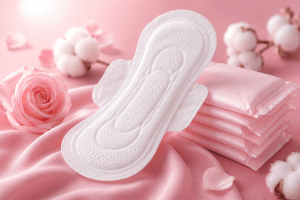
Soft Cotton Pads: Gentle Comfort for Every Period
Every woman needs good menstrual hygiene. Using clean and comfortable menstrual products helps you feel

Do you know what happens in your body after you ovulate?
The secretory phase is one of the most vital yet least talked about stages of our menstrual cycle. It’s when your body is preparing for a possible pregnancy, creating the best conditions for implantation.
Knowing this phase can not only help you track your cycle better, but also give you deeper insight into your reproductive health.
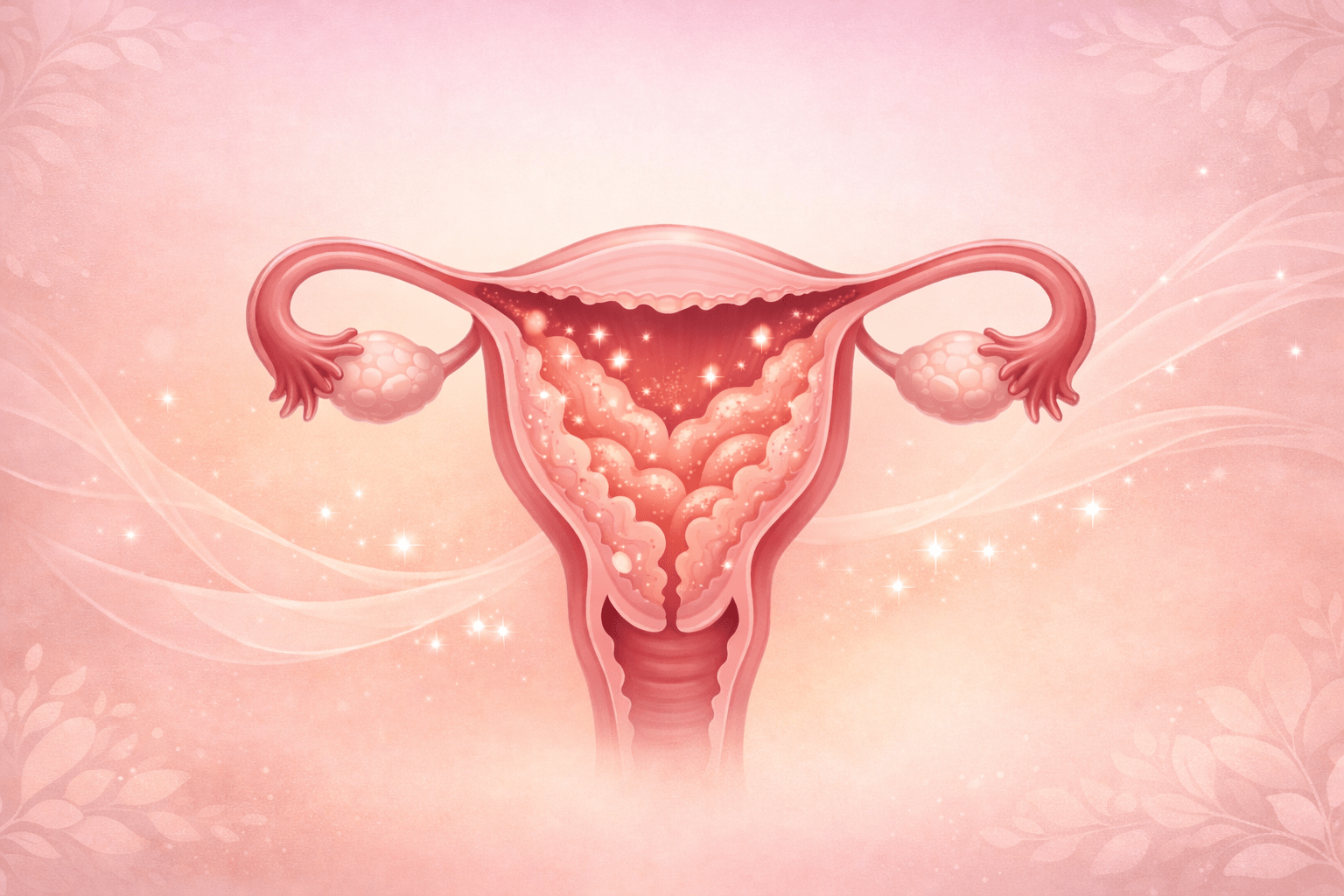
The secretory phase: the third stage of your cycle occurs immediately after ovulation, right before menstruation. During this time, the body prepares the uterus for a fertilized egg.
This phase is called “secretory” because the inner lining of the uterus (endometrium) starts to secrete nutrients that would nourish a very early pregnancy. If pregnancy occurs, this lining sustains the embryo. If not, the cycle resets.
This stage is all about the hormones, with progesterone being the main player.
Following ovulation, the ovary develops a structure known as the corpus luteum that produces progesterone. This hormone:
Estrogen stays, though in lesser amounts than in prior phases. The Secretory phase of menstrual cycle hormone is dominated by progesterone.
The most dramatic changes of this phase happen in the uterine lining, or secretory phase endometrium.
This happens:
This process makes sure the uterus is fully prepared to sustain early pregnancy if fertilization occurs.
While there are major internal shifts, many women also experience subtle physical and emotional changes during this phase:
Because this phase precedes your period, some symptoms are similar to premenstrual syndrome (PMS).
Understanding the secretory phase within the menstrual cycle may help you to:
Women who are tracking their cycle know comfort and hygiene are crucial for this phase just as it is during menstruation. Choosing reliable products like Essentials UltraThin Pad to keep you fresh (even during pre-period spotting or discharge) and comfortable.
If fertilization occurs at this stage:
This is the beginning of pregnancy.
If fertilization does not occur:
That marks the end of the secretory phase, and a new cycle begins.
The secretory phase lasts 12 to 14 days. The length of it is relatively consistent across most women, unlike other phases of the menstrual cycle.
That’s why tracking this phase can be good for predicting the date of your next period.
The secretory phase is a key player in your menstrual cycle. It’s your body getting ready for a new life, quietly, efficiently, and surprisingly. Knowing What is secretory phase in menstrual cycle help you to have a greater command of your health, fertility, and mental well-being.
The secretory phase happens after ovulation, usually between day 15 and day 28 in a normal 28-day cycle.
It’s typically 12 to 14 days long and pretty consistent.
Progesterone causes the endometrium to thicken and be stabilized, making it ideal for implantation.
The endometrium thickens, becomes more vascular, and starts secreting nutrients to support the possible implanted fertilized egg.
It provides nutrients and produces a stable environment where an embryo can implant itself and grow.
The progesterone level drops and causes the uterine lining to shed, beginning menstruation.
Every woman needs good menstrual hygiene. Using clean and comfortable menstrual products helps you feel
Periods are uncomfortable enough, plus they come with worrying about odor. Which is why odor
Periods can be annoying because of skin irritation, rashes, or itching. Here, more women switch
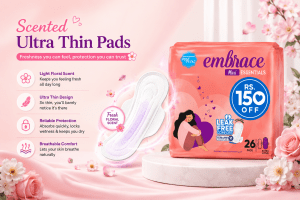
Staying fresh on your period should not be difficult; it should be easy. That is
Every woman needs good menstrual hygiene. Using clean and comfortable menstrual products helps you feel
Periods are uncomfortable enough, plus they come with worrying about odor. Which is why odor
Periods can be annoying because of skin irritation, rashes, or itching. Here, more women switch
Staying fresh on your period should not be difficult; it should be easy. That is